The portal of the Umbria Region that allows you to get information on the main places of culture in Umbria (museums, archaeological sites, libraries ...)
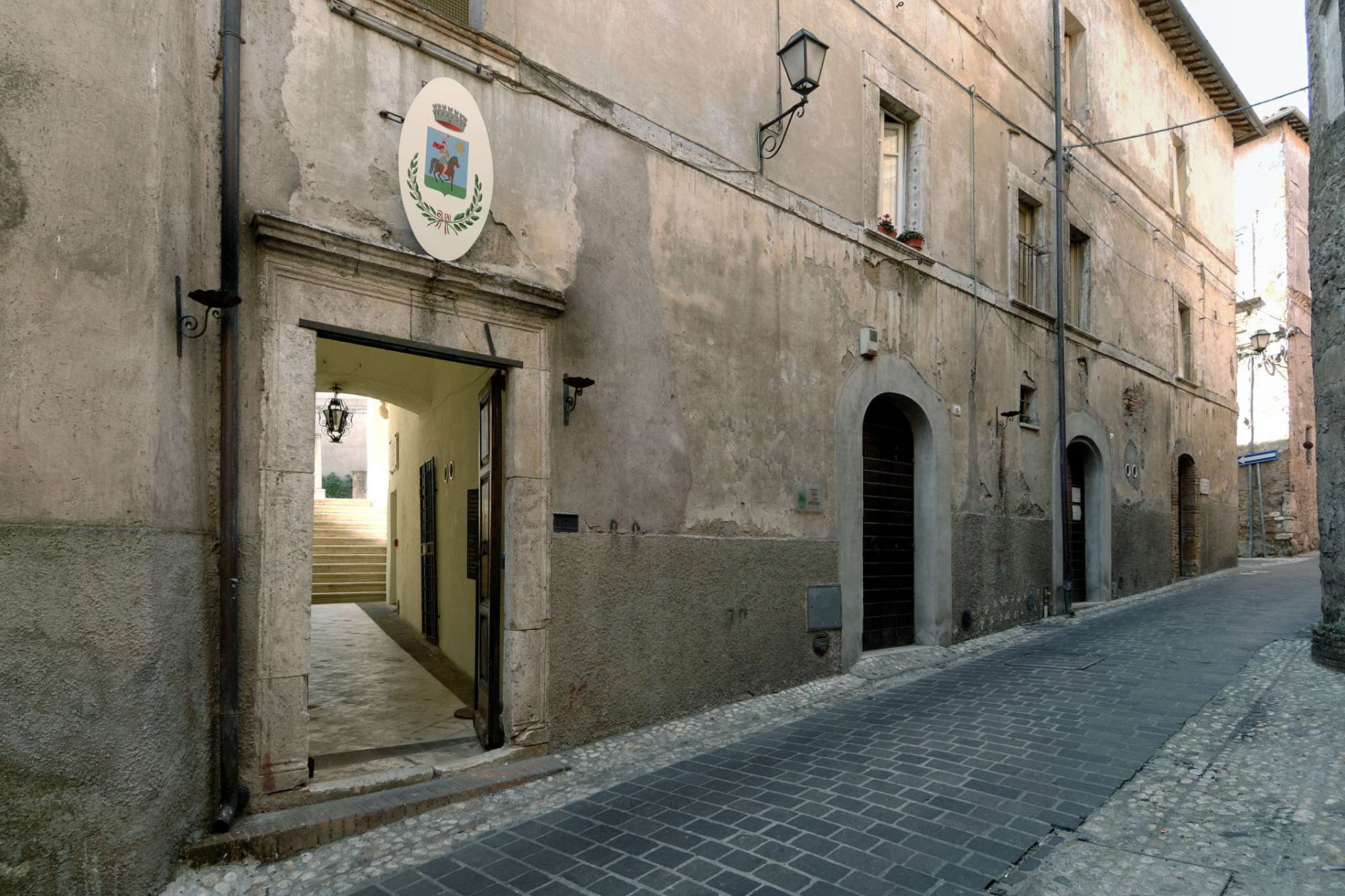
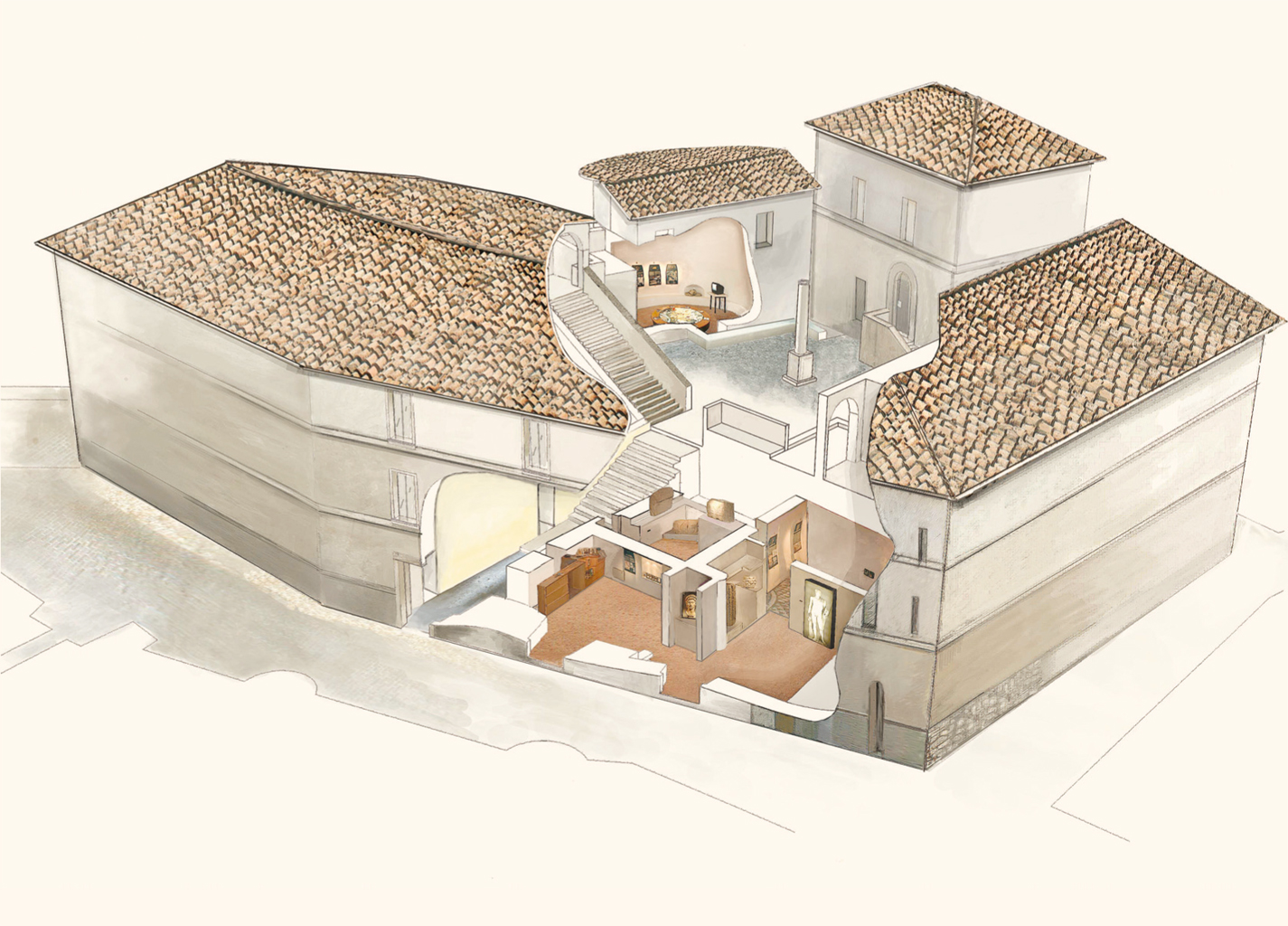
The Antiquarium comunale has its premises inside the 18th century Palazzo Priorale of Otricoli, a Pre-Roman village, built on a height dominating the Tiber River Valley in southern Umbria.
The exhibition itinerary illustrates the dynamics of the settlement around Otricoli, in its transformation from a Pre-Roman village on high ground to a Roman town built on the Tiber Valley, up to the current town built on the same place as the former village. Particular attention is paid to the archaeological collection that serves as an introduction to the visit to the Archaeological Park of the Roman Town of Ocriculum, which was one of the wealthiest and most vital centers thanks to the trading that took place along the Flaminian Way and the Tiber River between the 1st century B.C. and the 1st century A.D.
In the Civic Antiquarium, inaugurated in 2000, the exhibition related to the most conspicuous collection—the Roman one—makes use of casts and photographic reproductions of the original finds, which were transferred—as soon they were found in the 18th century Papal excavation sites—via river to the Vatican Museums, where they are still now preserved.
Above all Otricoli’s wealth and vitality is testified by the 58 centimeter high marble bust, which is what remains of a colossal statue most likely portraying the Jupiter of the local Capitol, the temple dedicated to the divine Capitoline Triad of Gods formed by Jupiter, Juno and Minerva. It was a copy of the statue of Jupiter of the Capitoline Hill, in Rome. But this wealth and vitality is also testified by the Thermal Polychrome Mosaic dated from the 2nd century A.D. that decorated the main octagonal hall.
The didactic itinerary ends with a section dedicated to the Otricoli built-up area of the Middle Ages and to modern Otricoli, whose architectural development has seen the use and re-use of a number of ancient materials.