The portal of the Umbria Region that allows you to get information on the main places of culture in Umbria (museums, archaeological sites, libraries ...)
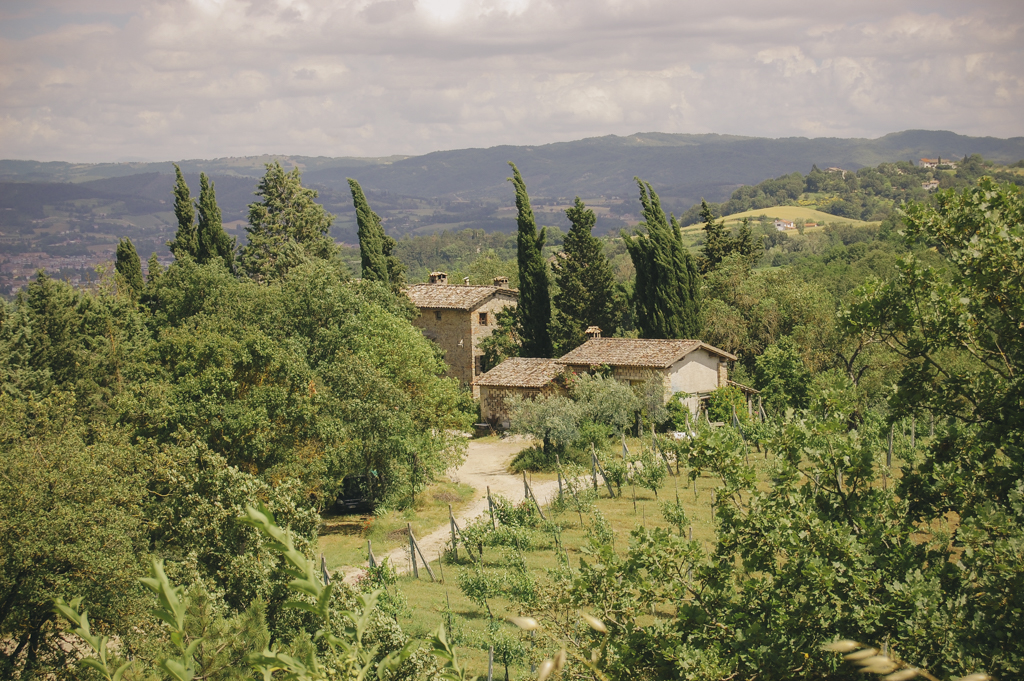
TheFondazione Archeologia Arborea was established over the years, in the small private farm in San Lorenzo di Lerchi, Città di Castello, and was born with the aim of safeguarding some varieties of plants and ecotypes of the area.
The research on the old local varieties of fruit plants began about 40 years ago by Livio and Isabella Dalla Ragione, initially in the territories of the Upper Tiber Valley, trying to save these plants from final disappearance. The activity is called Archeologia Arborea [Arboreal Archaeology] because, just as archaeologists reconstruct a civilization from a fragment, so from an apple or pear they tried to reconstruct the life of rural communities.
The privileged places of research have been before those still inhabited by elderly farmers or increasingly abandoned farms, vegetable gardens of Benedictine and Franciscan monasteries and ancient places of cultivation destroyed by industrial development. The large fruit trees were like mute witnesses of the ancient rural culture, which could say little about their own history. Through research on the sources, including ancient documents and ancient agricultural texts, itinerant chairs of agriculture, ancient trade and pilgrim roads, ancient reproductions and paintings of the Renaissance, but above all the testimonies of old farmers, the history of these species has been reconstructed.
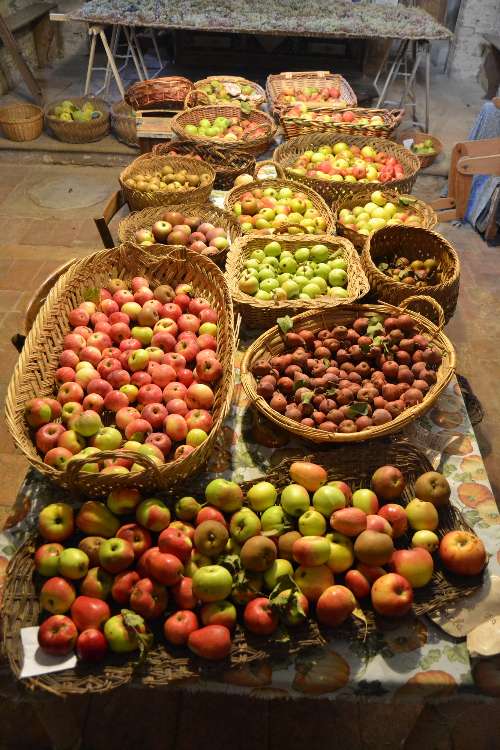
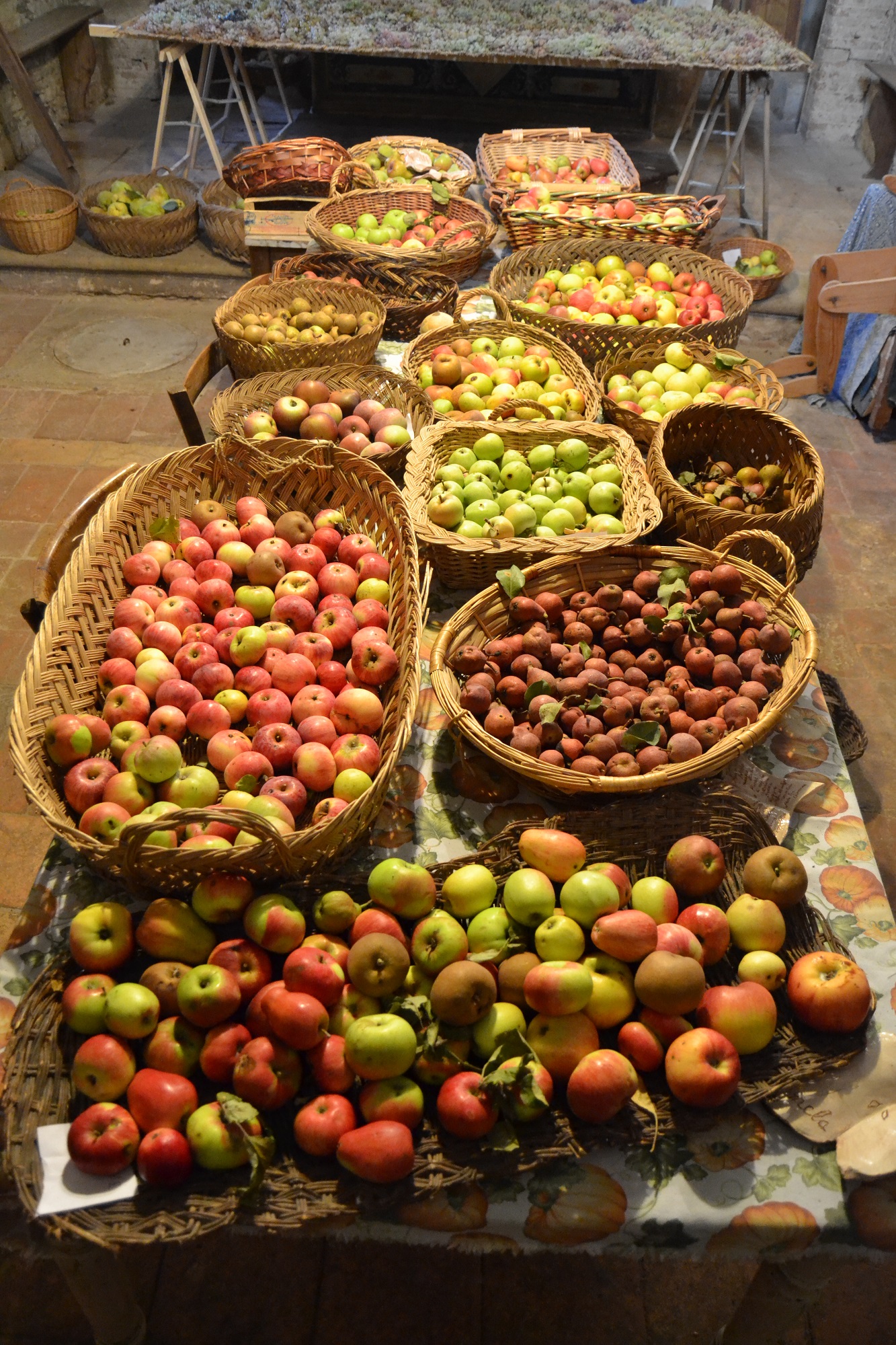
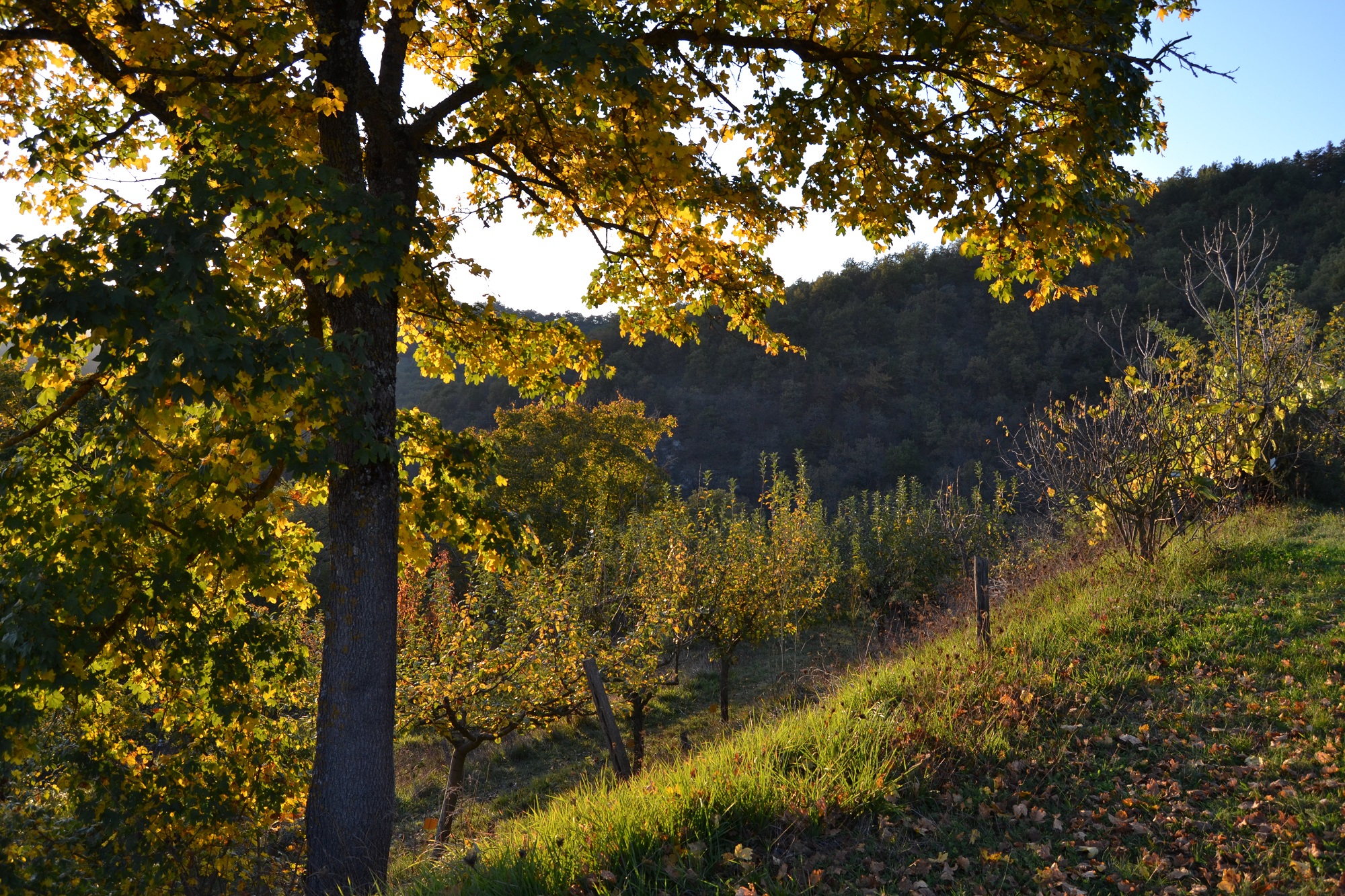
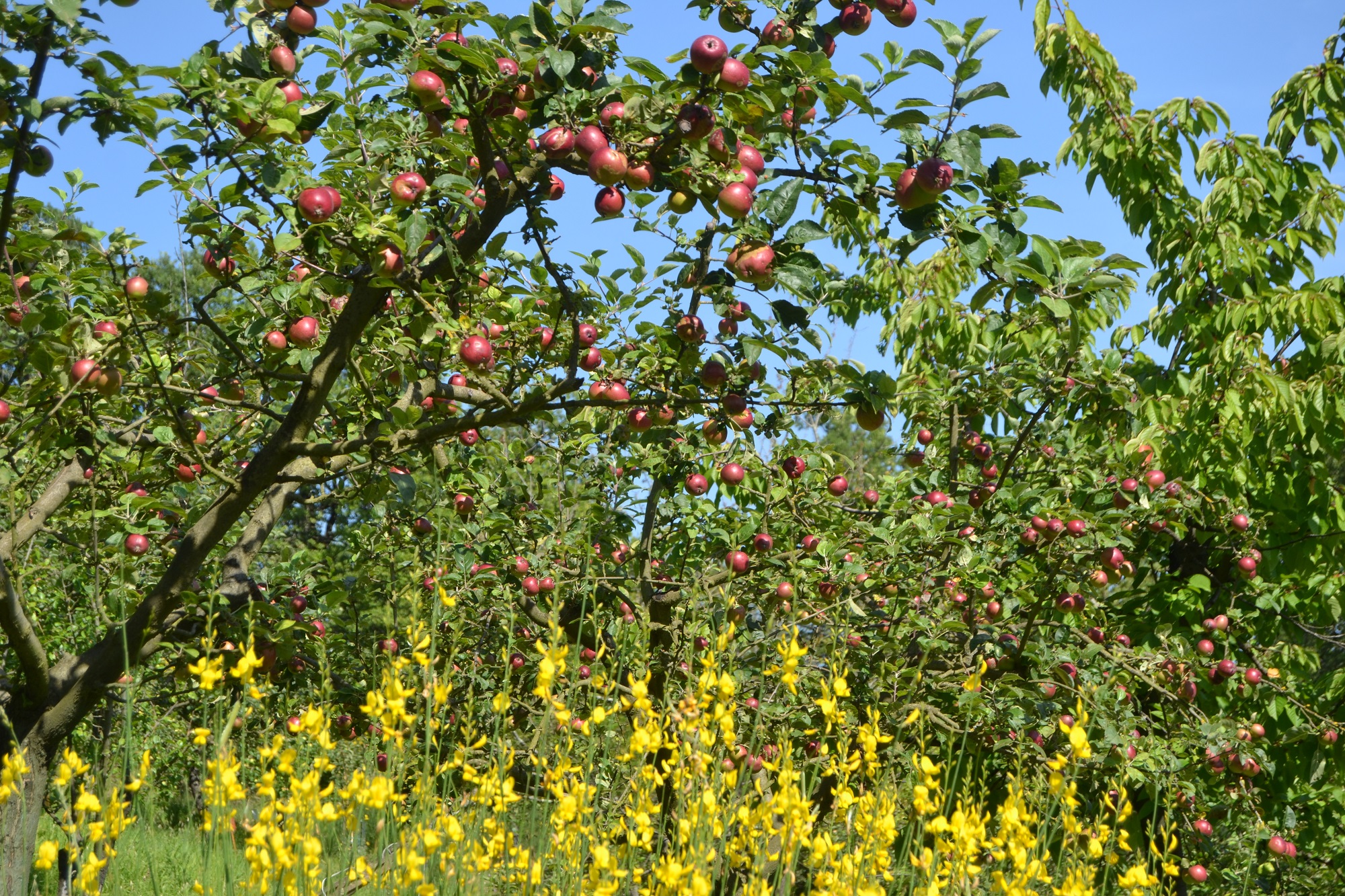
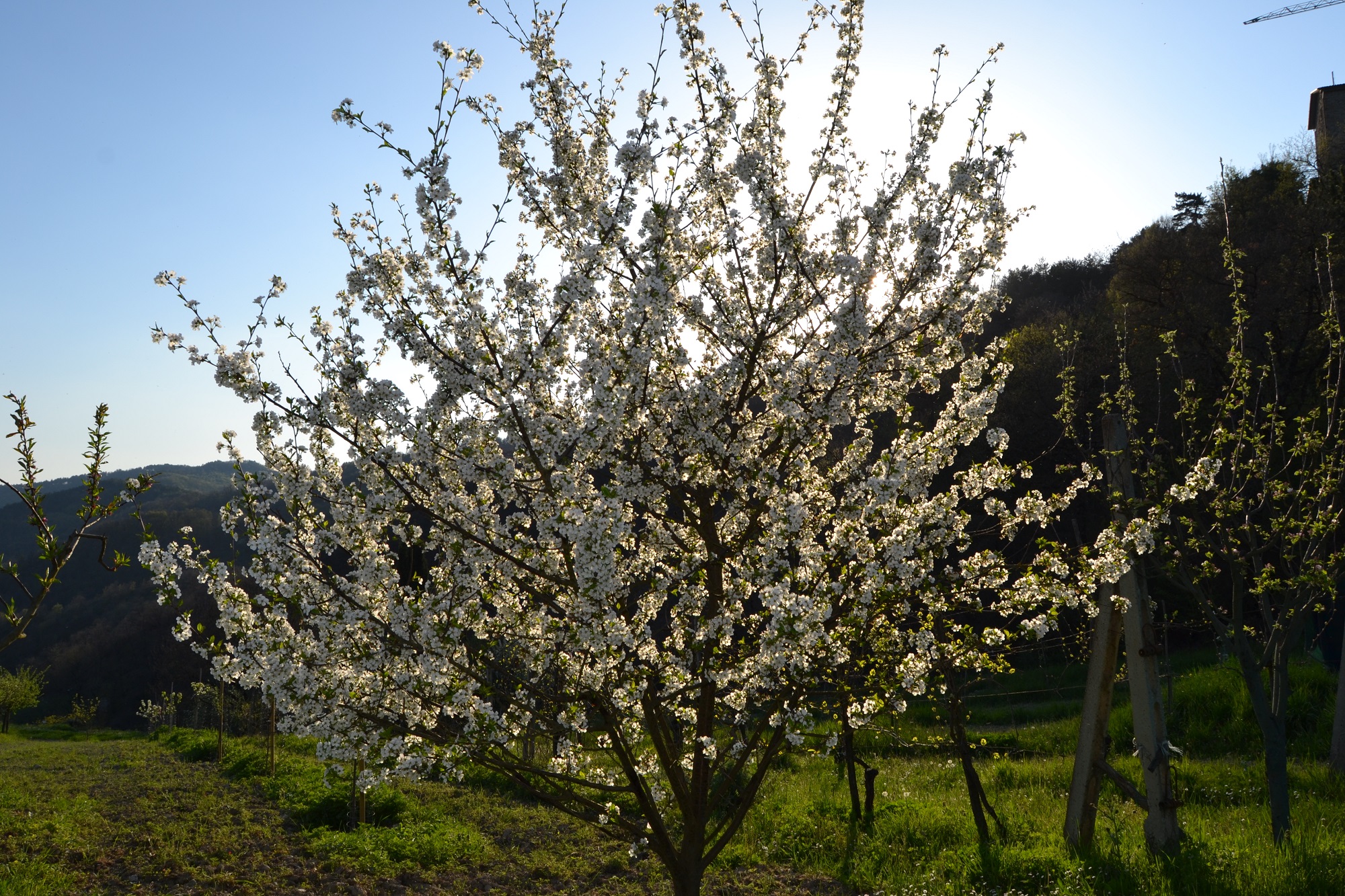
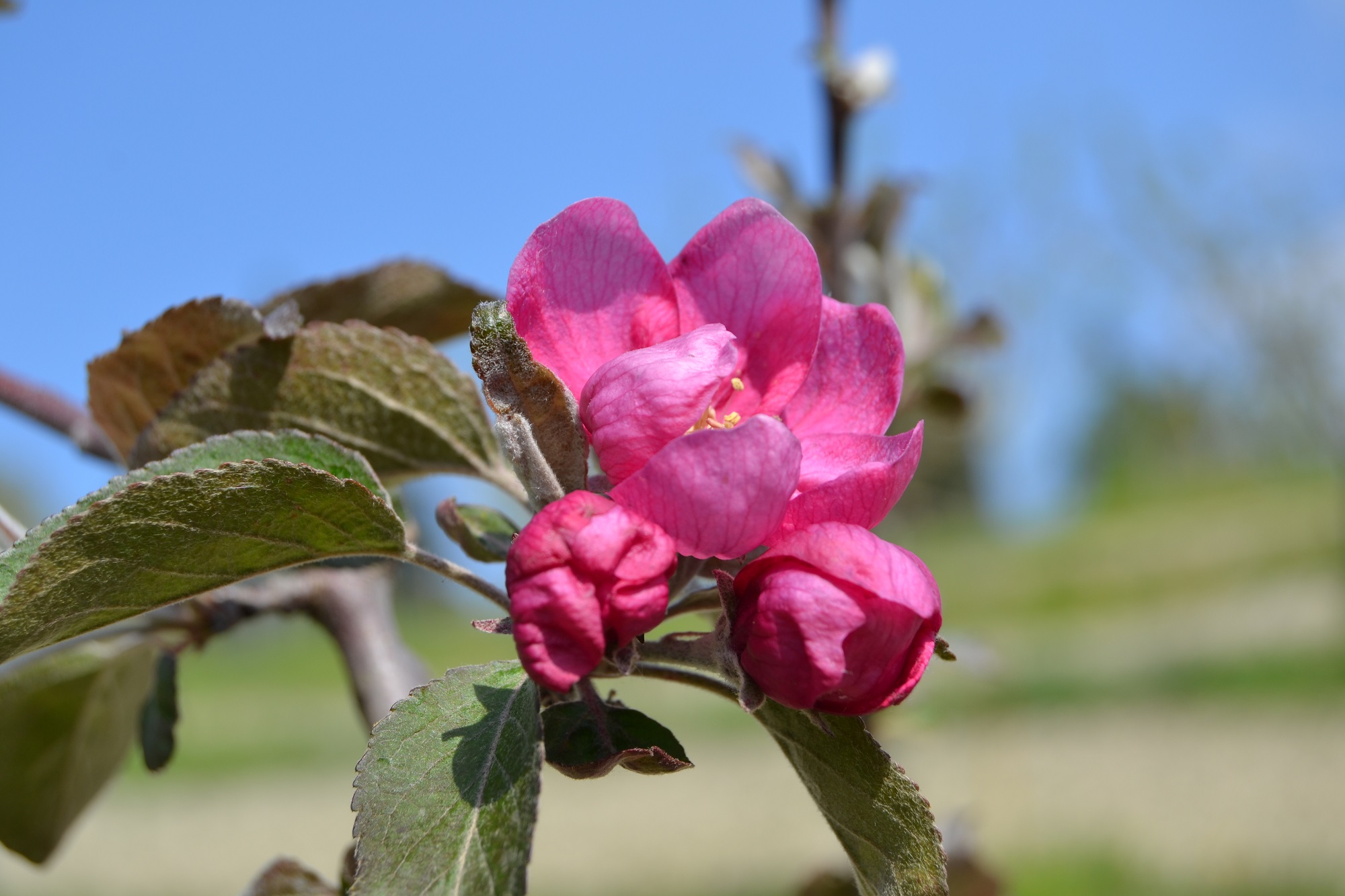
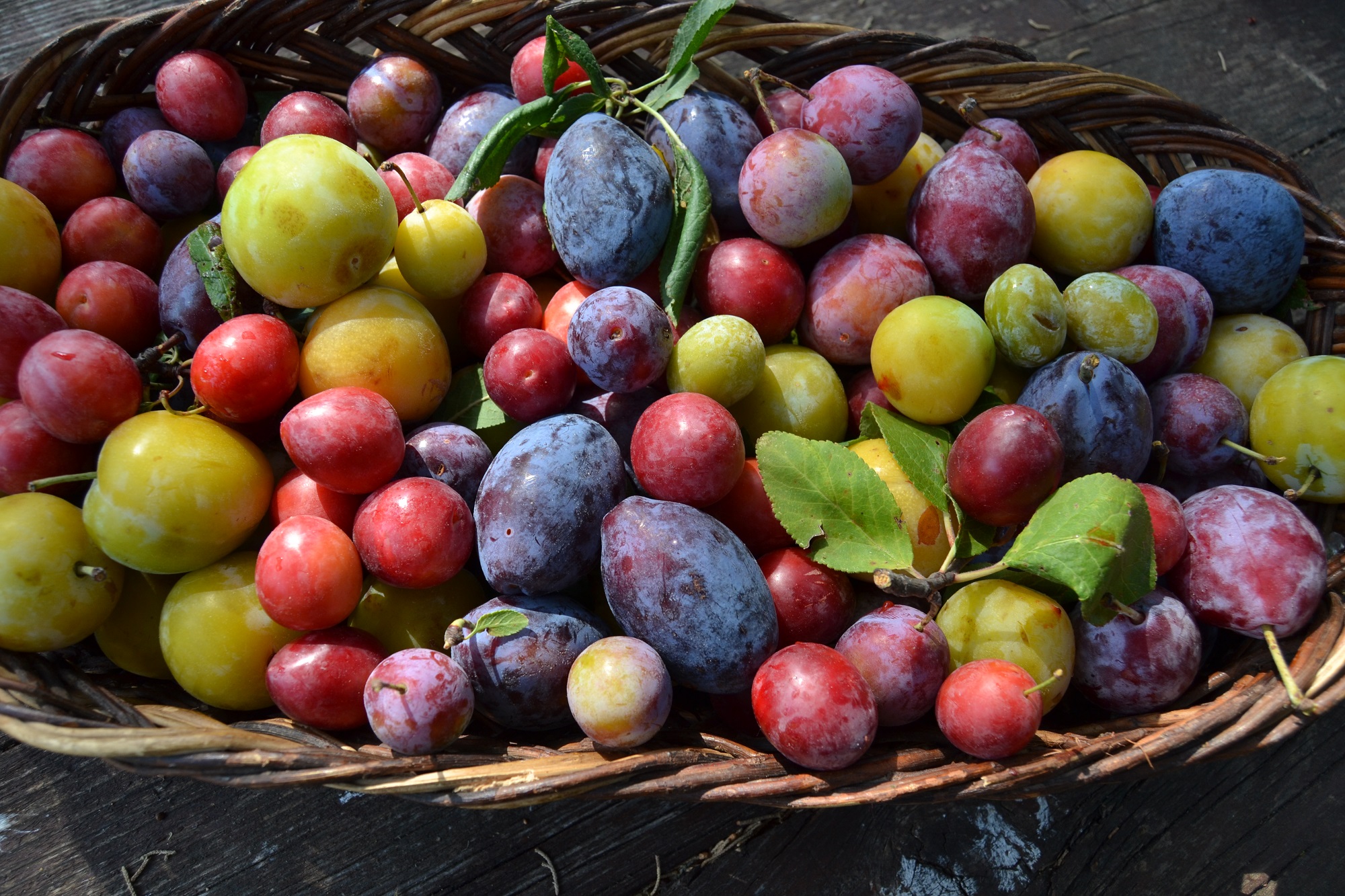
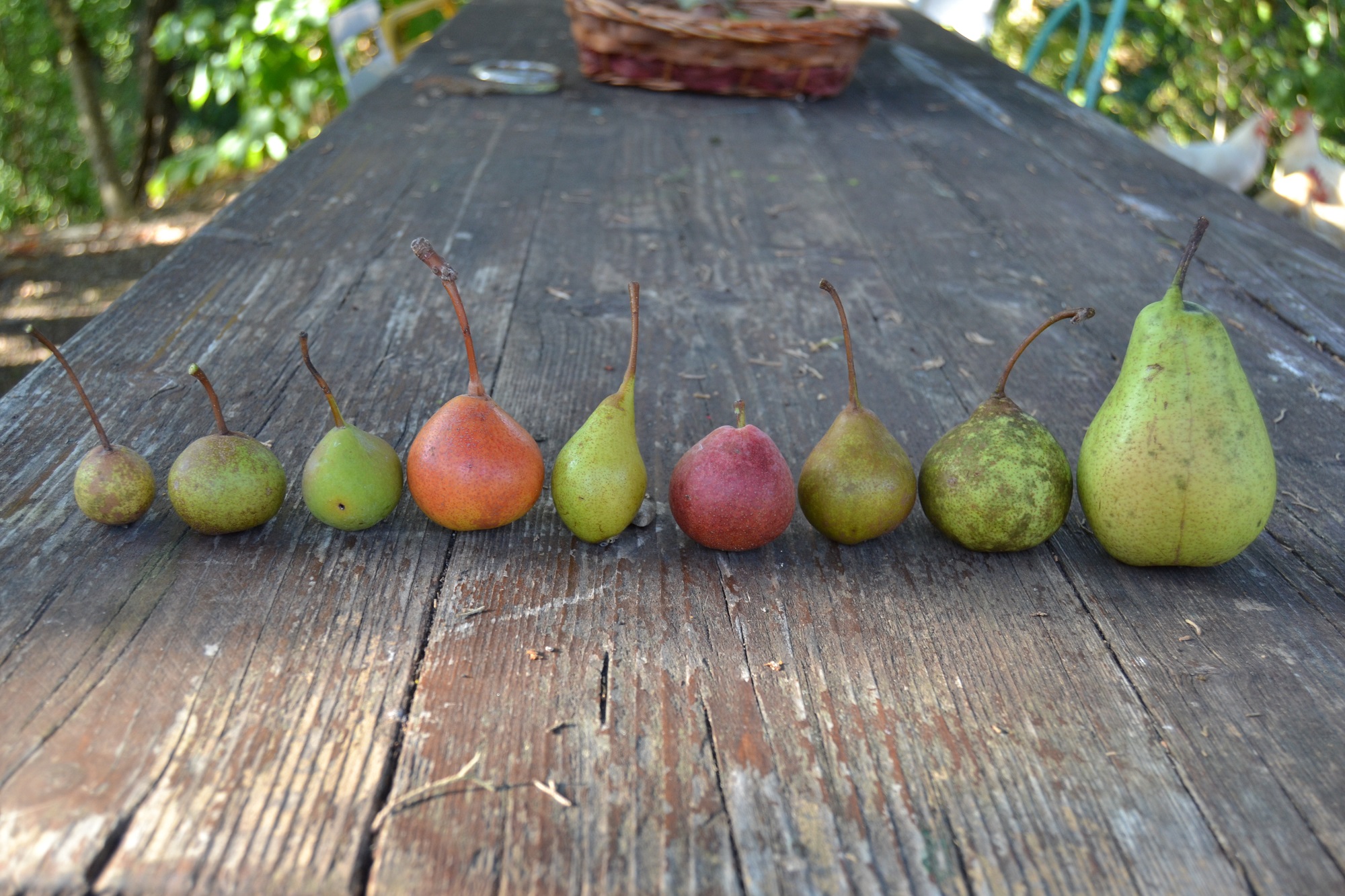
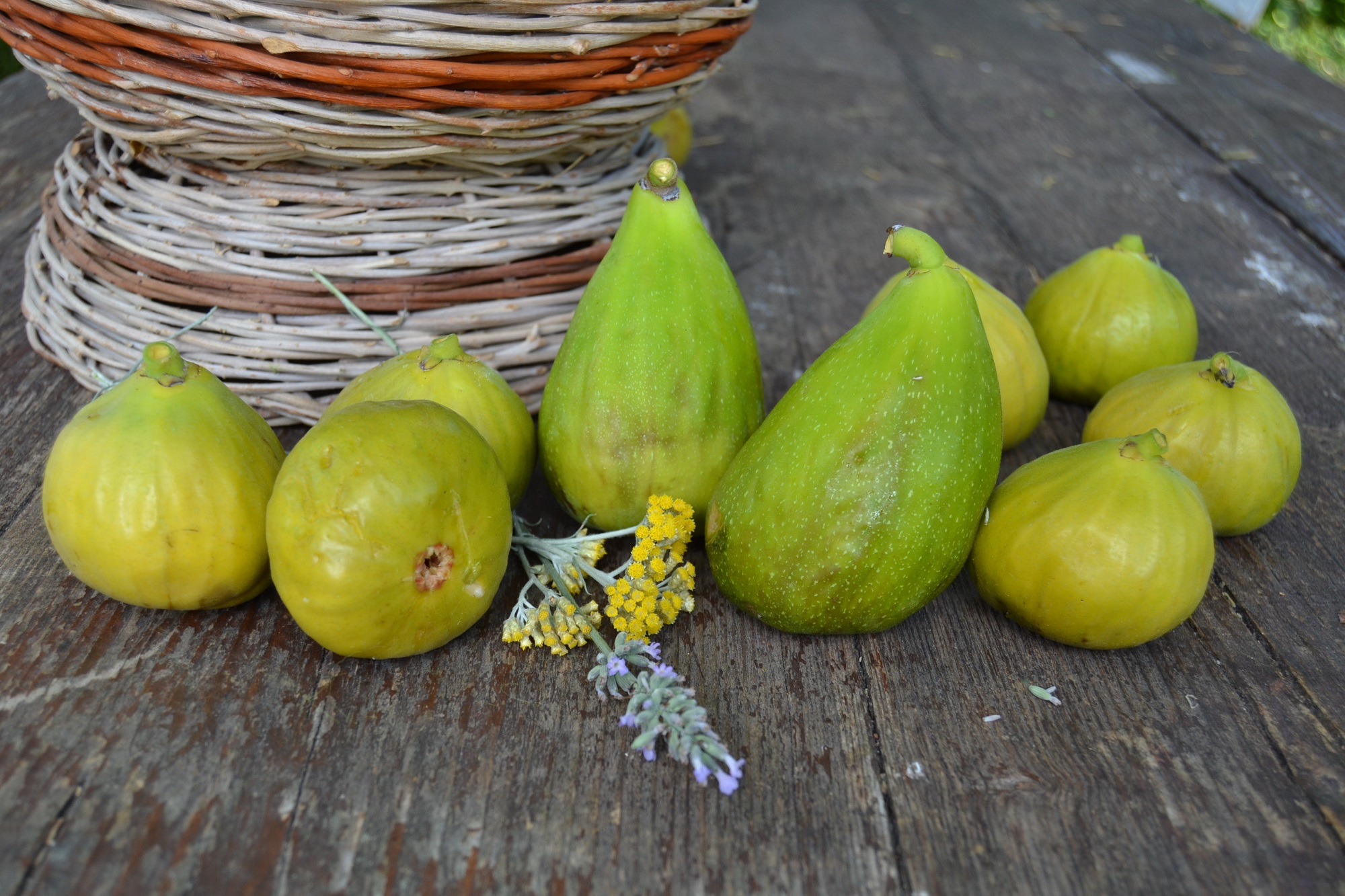
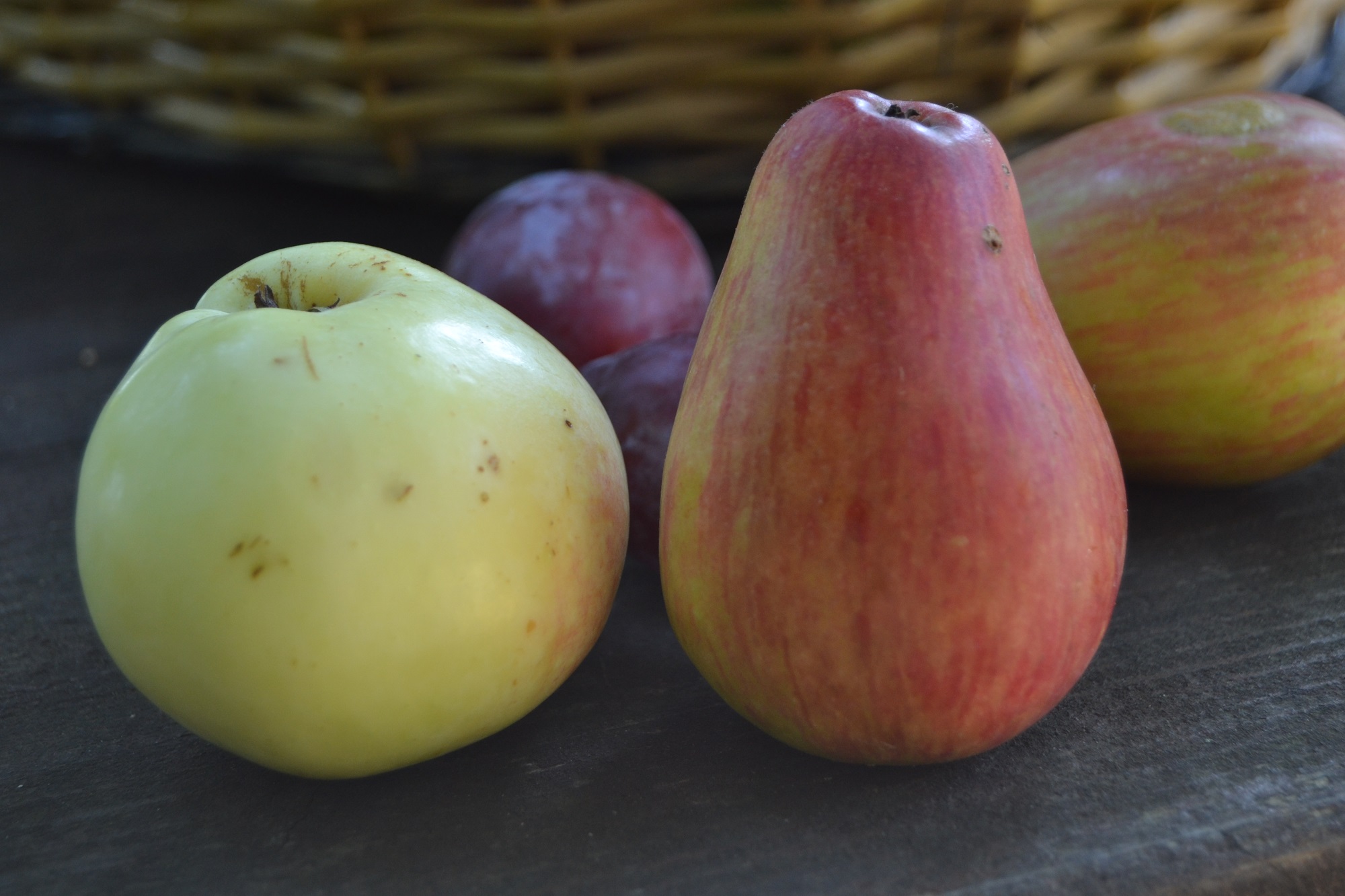
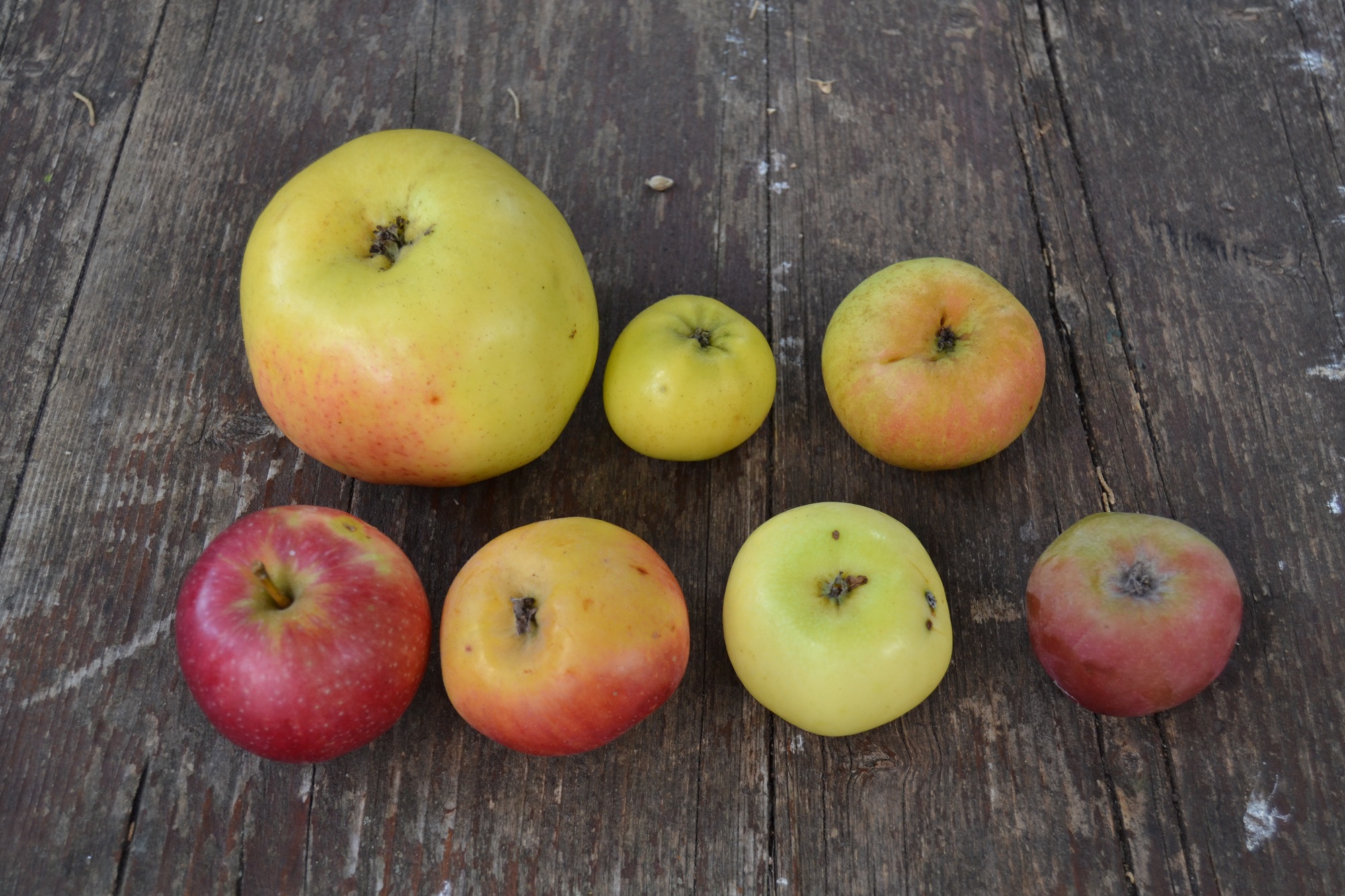
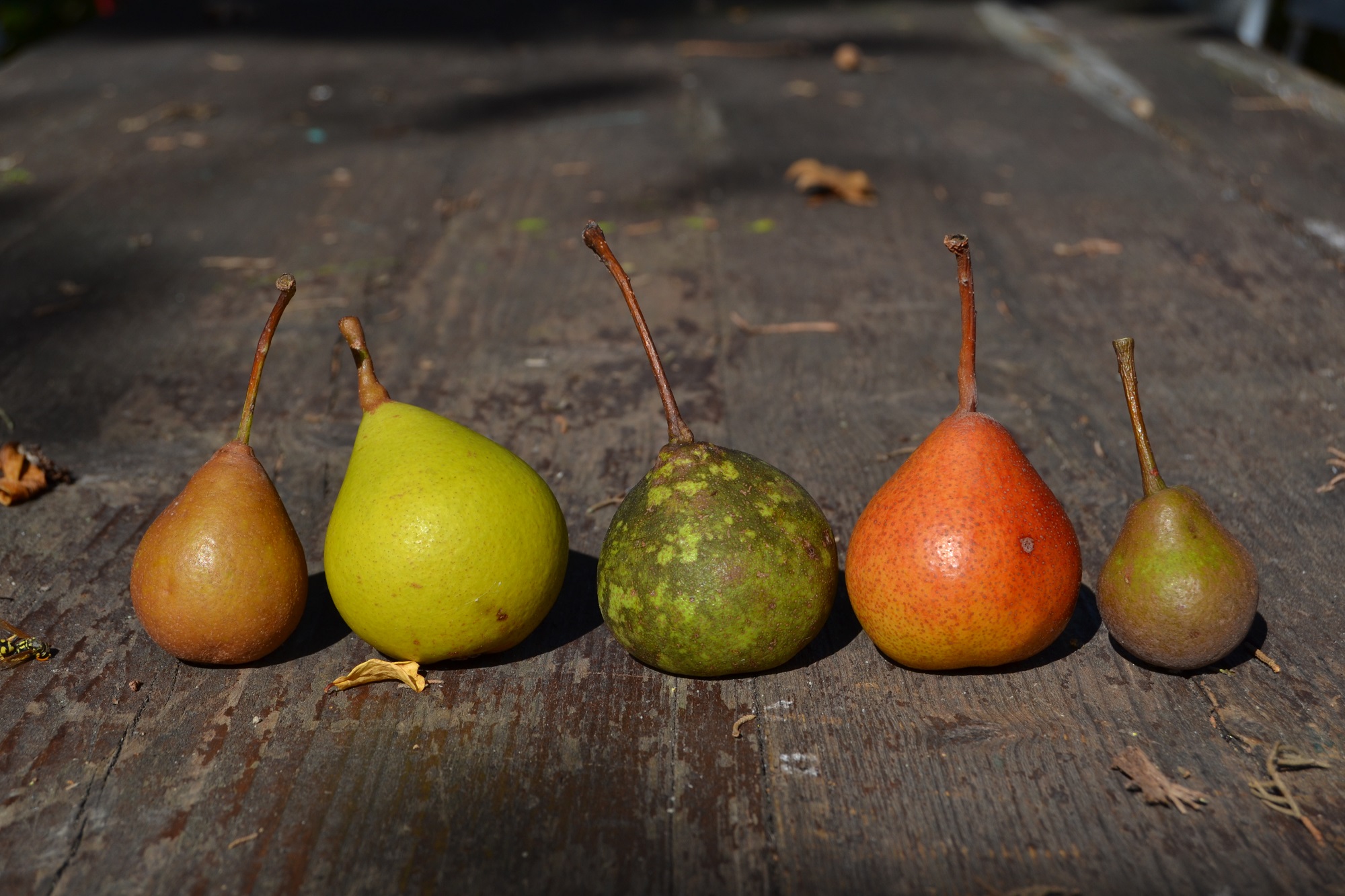
Dozens of varieties of pears, apples, figs, plums and many other species have been found and saved, and patiently reproduced by grafting. The large orchard now consists of 600 plants among different species in 150 different varieties. It represents a reservoir of genes and culture, to share this important historical and agricultural heritage with the new generations. The plants are cultivated with the traditional systems of the place and inserted in an agricultural landscape of great beauty and charm.
Since 2014 the "Fondazione Archeologia Arborea onlus" has been legally recognized as a regional foundation, which is responsible for conserving this extraordinary heritage and developing biodiversity conservation activities.