The portal of the Umbria Region that allows you to get information on the main places of culture in Umbria (museums, archaeological sites, libraries ...)
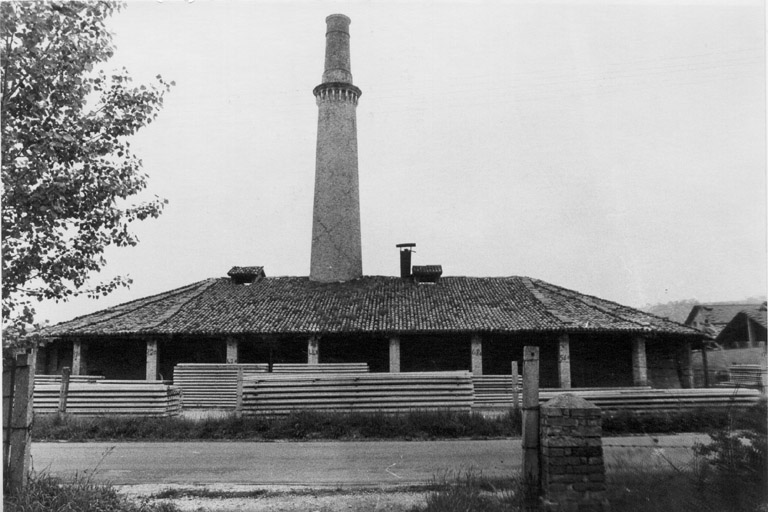
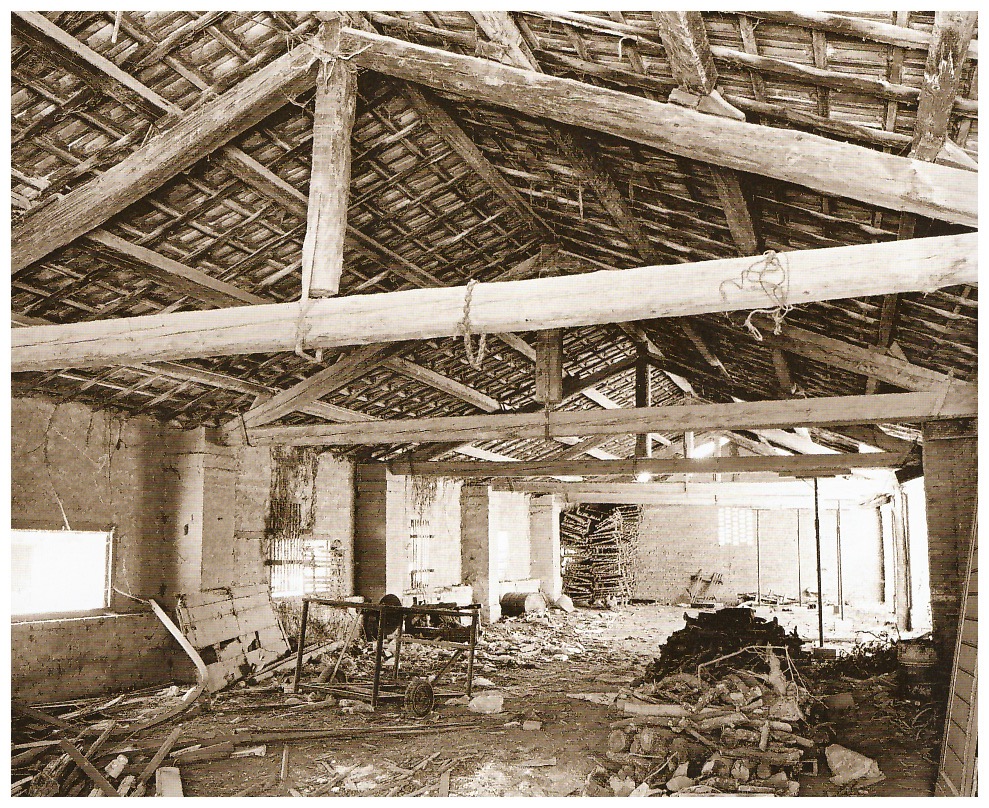
The industrial complex produced bricks. It covered an area of over 8.000 square metres on the right side of the Topino river, from which it drew hydraulic driving force used both for working clay and to make the machines work. The water diversion channel from the Topino River was at around 1 km from the industrial area.
[...]
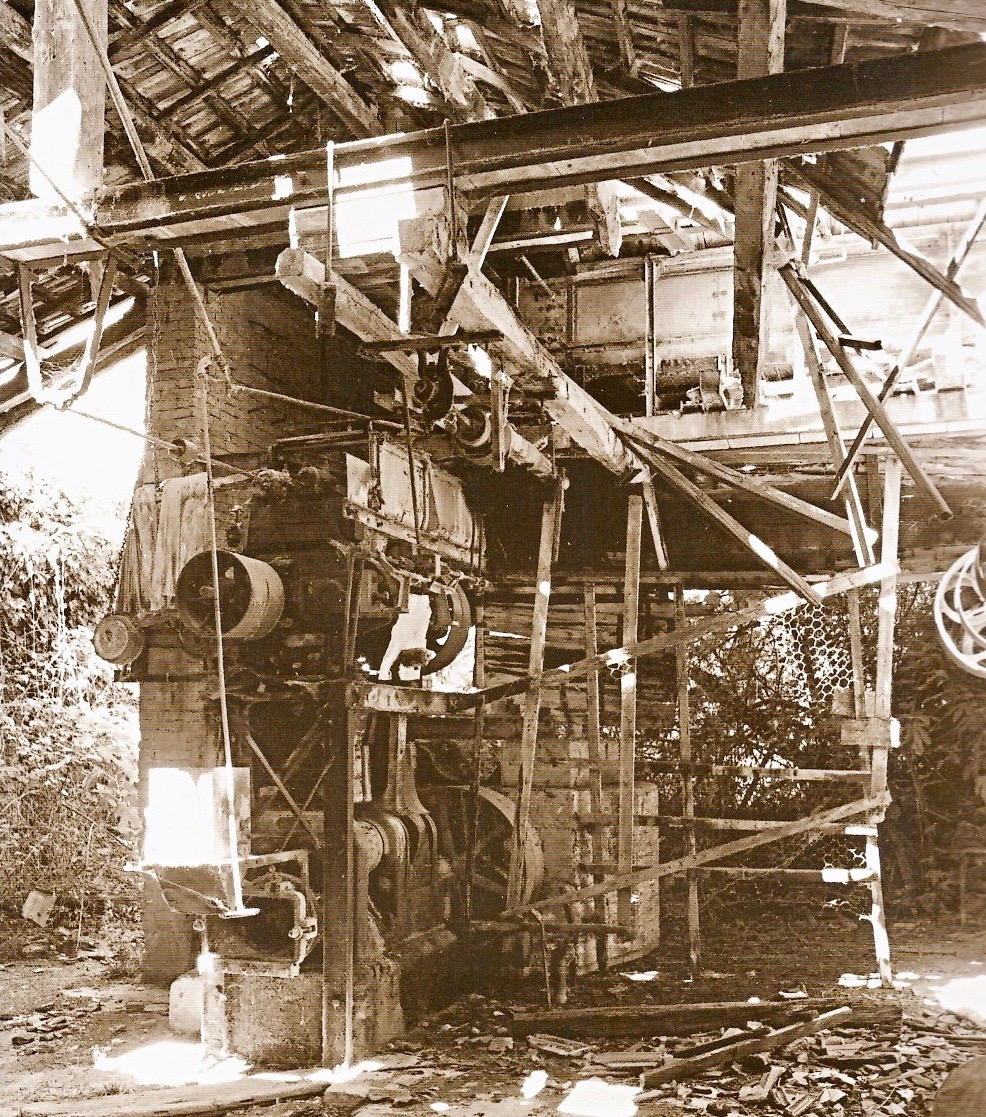
The plant was launched in 1873 by the industrialist Macrobio Fozi to utilize the local clay of the “colmate” (overflows of mud) from then Topino. It comprised many buildings divided in two groups by the street that connected Foligno with the near San Giovanni Profiamma. The two areas were connected by carriage tracks with trolleys that brought raw material. It was considered the biggest and most important plant in Umbria and it was also famous for its technological vanguard. It boasted the first Hoffmann continuous furnace in Umbria and large modern equipment actuated by a 30 horsepower driving force.
It produced material with a wet and a dry process; the products were both handmade and machine-made and sold in the local market. In 1936 the brickyard was bought by the Fornaci Briziarelli di Marsciano, which is still the owner. It was used as a factory until the ‘50s and the as a warehouse.