The portal of the Umbria Region that allows you to get information on the main places of culture in Umbria (museums, archaeological sites, libraries ...)
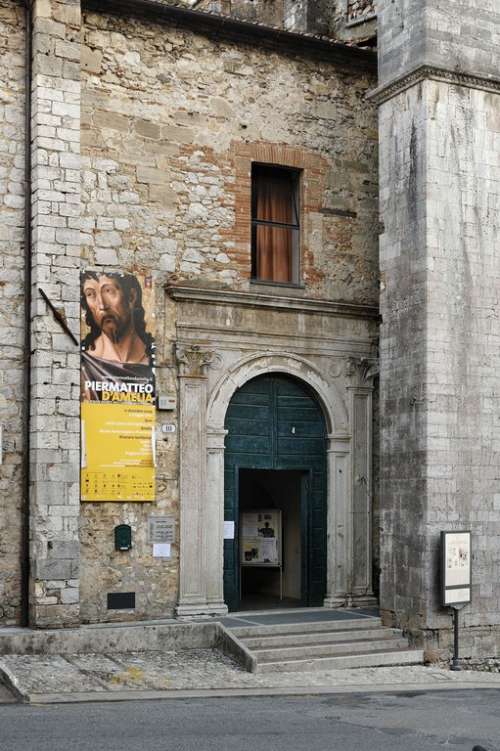
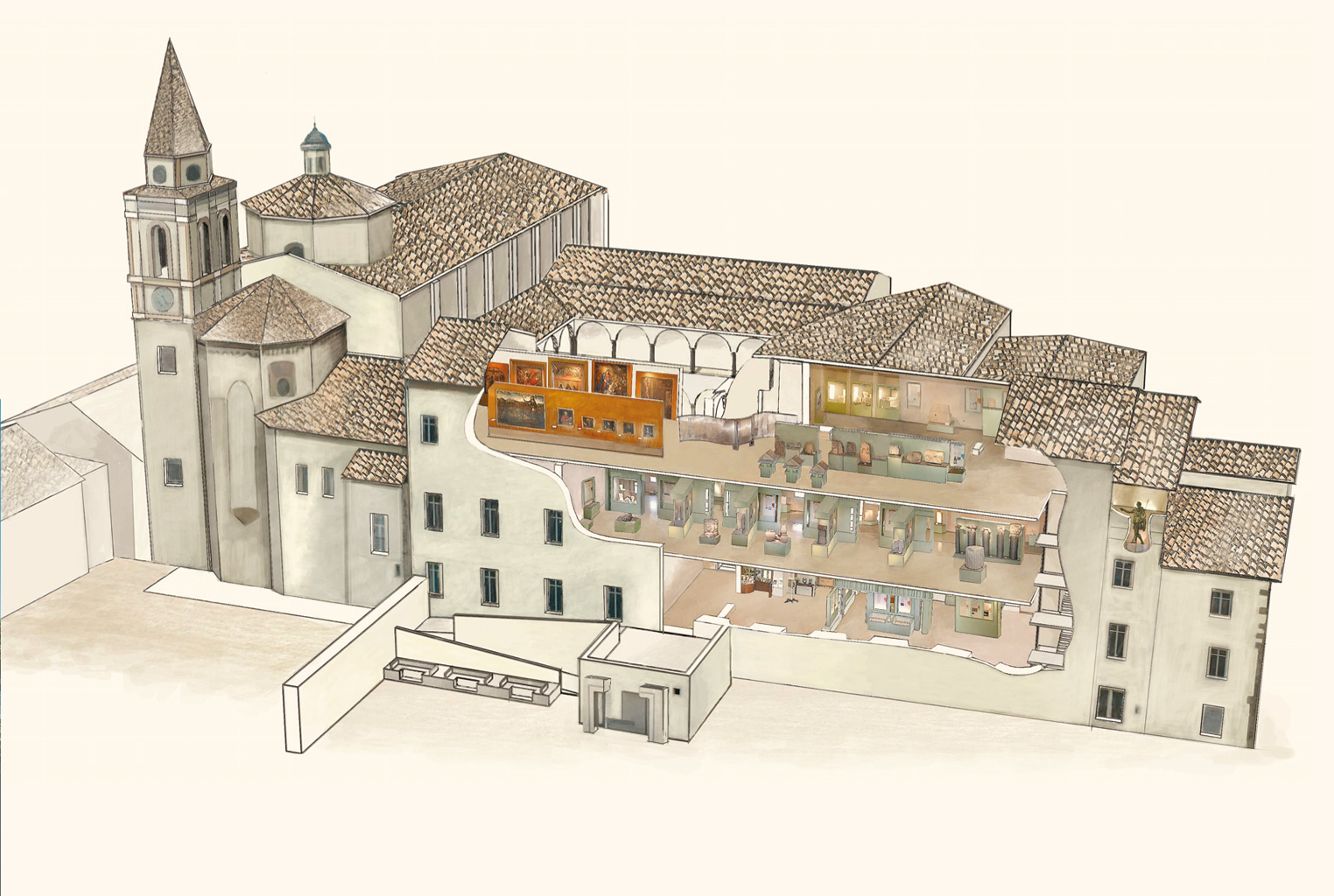
The collections of the Museo Civico Archeologico e Pinacoteca “Edilberto Rosa” are hosted inside the former Boccarini College, which was originally a 13 -14 century Franciscan convent, endowed with its own double cloister and loggias realized in the 16 century.
Organized following a thematic progression, inside the three floors of the complex, the display is the fruit of an integral reorganization of the historical-artistic archaeological material of the area.
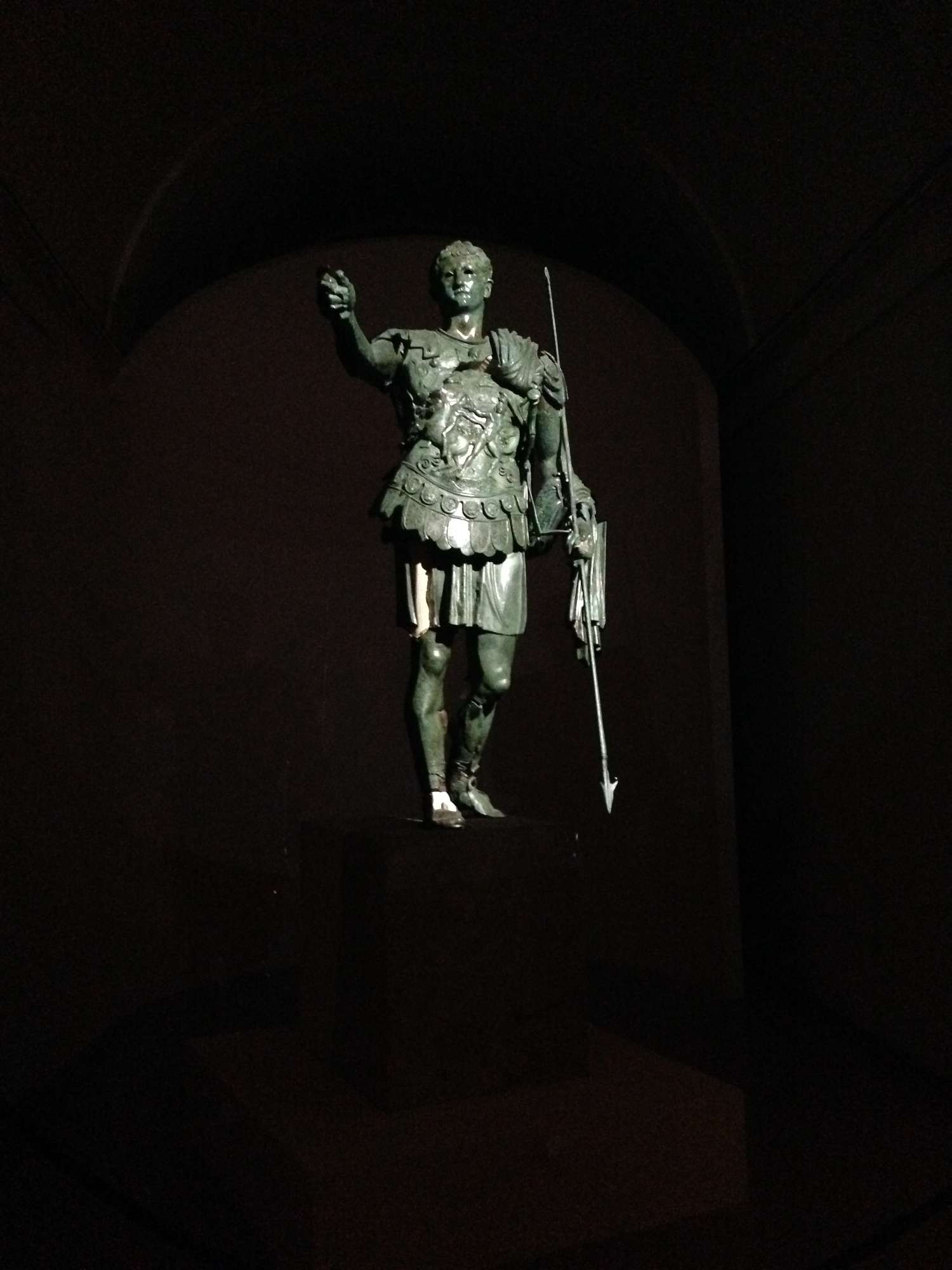
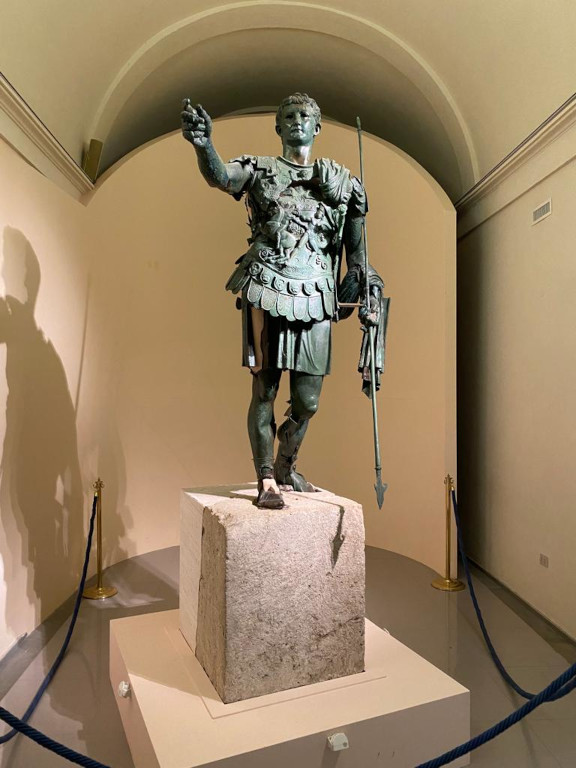
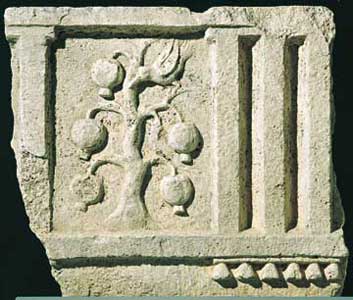
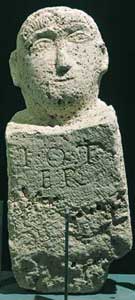
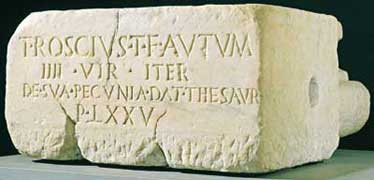
The archaeological section, which consists of manufactured articles mainly coming from the excavation sites of the area, provides a chronological panoramic overview of the history of Amelia, from the pre-Roman period to that of the complete Romanization of the center, up to the Early Middle Ages. The bronze statue of the Roman General Nero Claudius Drusus, called Germanicus, armored and covered by an anatomic lorica that is richly decorated in low relief and is 2,15 meters high, is remarkably interesting. Several epigraphs contribute to the reconstruction of the florid Romanization of the center, evidence of the illustrious Amerine families, among them the Gens Roscia.
The Art Gallery, on the second floor, preserves works coming from local churches and palaces. Apart from the painted wooden panel portraying St Anthony Abbot, the masterpiece of Pier Matteo d’Amelia, there are works dating from the 16 and 17 century, period of particular floridity for the town. This fact is testified by the rich urban dwellings of Municipal property, including Palazzo Petrignani, which are available for visits—upon previous request—whose decorations are traditionally attributed to the school of the Zuccari.