The portal of the Umbria Region that allows you to get information on the main places of culture in Umbria (museums, archaeological sites, libraries ...)
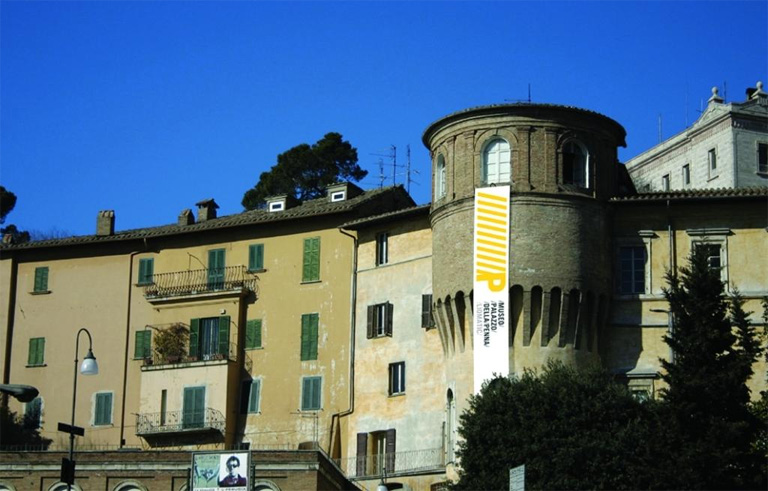
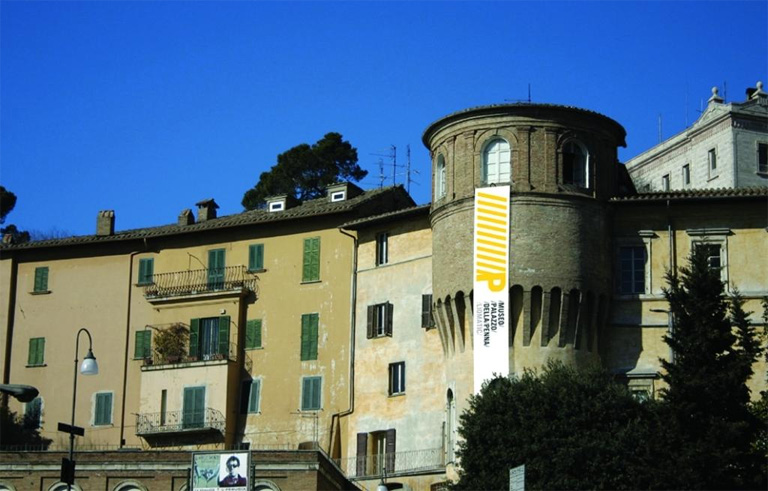
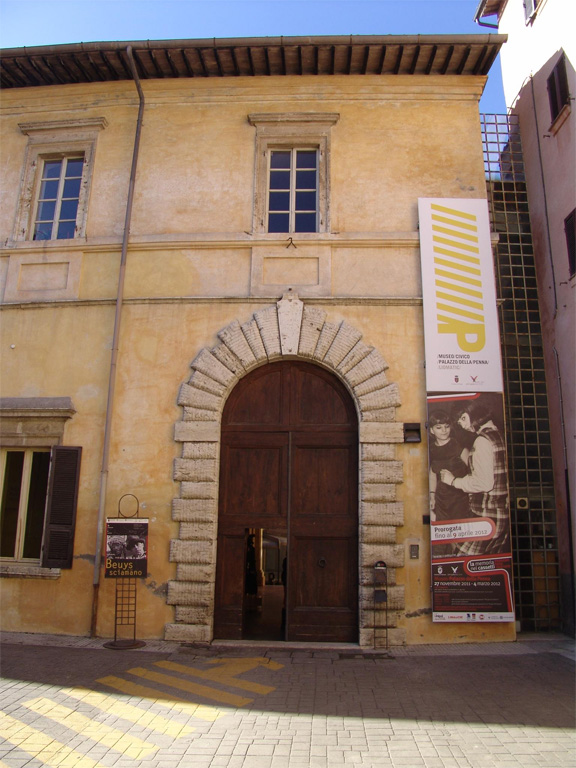
The Museo Palazzo della Penna is in the historical center of Perugia, at a short distance from the Tre Archi crossroad and the powerful southern bastion of the Rocca Paolina fortress.
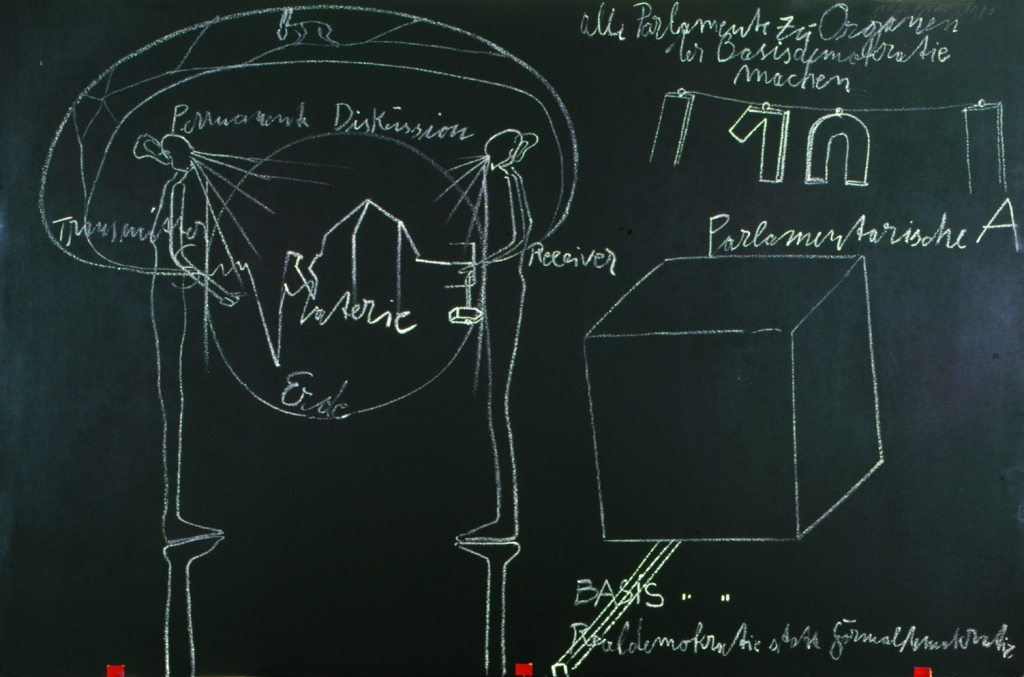
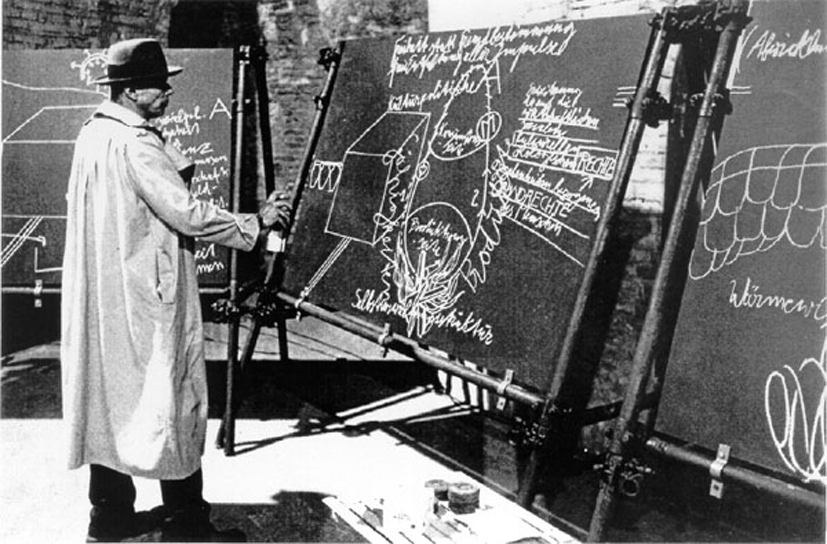
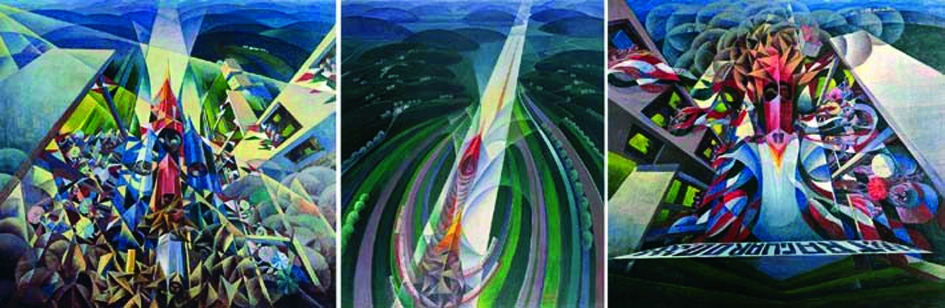
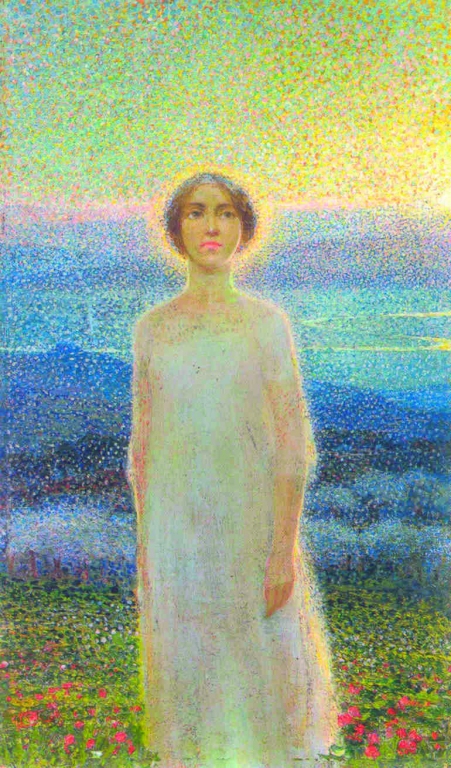
The Palace, the 16th century patrician residence of the Della Penna family, was built to a sober size over a centuries-old-architectural stratification, testifying the complex urban evolution of the area, from the Etruscan-Roman age up to recent years. The remnants of an Amphitheater and an ancient Roman road, in the course of time, were superimposed by medieval constructions, Late-Renaissance masonries and unifying rearrangements, all in layers, up to an aesthetic Neoclassical restructuring, in its turn followed by a later updating intervention executed at the end of 1970s—aimed at rendering the edifice compatible with the new destination of use—to transform it into a Palace of Culture and the Museum of the Town.The display includes twe different sections. The first one, hosted in the beautiful halls frescoed by Antonio Castelletti in 1812, is dedicated to Gerardo Dottori (1884-1977), a futurist painter who adhered to Marinetti’s artistic movement in 1912 and was a central figure for the creation of the current of artists dedicated to the “Aeropittura”, i.e. landscape viewed from high above as if flying. Walking down the beautiful staircase designed by the architect Franco Minissi we enter on the second floor below ground, there are Six Black Boards designed by Joseph Beuys to illustrate his theories, left by the artist on the occasion of a public event—the 3 April 1980 meeting with Alberto Burri—organized at the Rocca Paolina, in Perugia.