
Dettaglio del documento
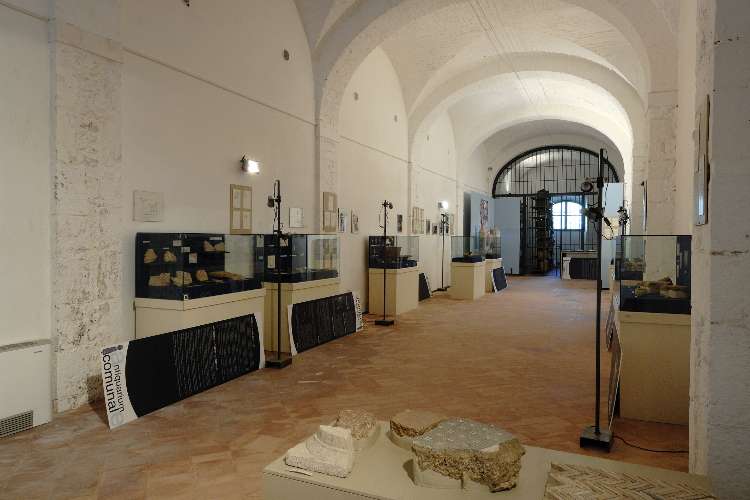
Museo civico. Lugnano in Teverina (TR)

Description
The Museo civico of Lugnano in Teverina, a small burgh in southwestern Umbria looking over the Lower Tiber Valley, is hosted inside a building that used to be a lightbulb factory ("Ex Fabbrica").
The Museum consists of two sections: Archaeological Collection (formerly Antiquarium) and Permanent Exhibition of the Great War 1915-18.
The archaeological collection represents an opportunity to know aspects of the daily life and organization of the work that reemerged from the sumptuous Villa del Poggio Gramignano, inhabited by wealthy Roman citizens. The Antiquarium displays the materials recovered from the excavation in the Roman Villa site, erected in the second half of the 1st century B.C., near the Tiber River, in the valley right below the medieval burgh. Next to the introductory display cabinets—illustrating the geology of the site and the characteristics of the building materials employed in the construction of the Villa—there are the finds that emerged from the residential sector, which are richly decorated with mosaics and polychrome frescoes. As came to light after archaeological investigation carried out between 1988 and 1992, the Villa was abandoned in the 2nd century A.C., and some of its rooms were reused as a cemetery during the course of the 5th century.
The historical collection includes memorabilia and documents relating to the memory of the First World War.
The visit to the Civic Museum can be enriched by adding on a visit to the main palace and church of Lugnano, Palazzo del Pennone and the Collegiata of Santa Maria Assunta, built in the 12th century right in the center of the burgh.
- Find it at
- Details
- Images
- Comments
You can enter your comment or your vote, only if you are a registered user. Please enter your code and password. Login