Orari, musei umbria, museo umbria, domus, parco archeologico, mosaici, mosaico, in agenda, appuntamenti, mostre, convegni, incontri e seminari, fotografie opere umbre, immagini museo umbria, collezioni musei umbria, archivi storici umbria, app museo umbria, arte contemporanea umbria, Burri, Emilio Greco, Fuseum Brajo Fuso, Carandente,Moore, Pepper, Smith, Giò Pomodoro, Sol LeWitt, Galleria d?arte contemporanea Pro Civitate Christiana, Centro Arte Officine Siri,Museo d?arte Moderna Aurelio de Felice, CIAC, Calamita Cosmica Gino de Dominicis, Giardino dei Lauri, Pietro Cascella, Nino Caruso,Terzo Paradiso Michelangelo Pistoletto, Claudio Faina, Necropoli Crocefisso del Tufo, Antiquarium, Necropoli estrusca, antichi umbri, Cajani, plestini umbri ,museo archeologico, germanico,catacomba,terme romane, casa romana,mura,paleontologico,cicli geologici,paleontologia umbria,musero vulcanologico,Signorelli,Giotto,Ghirlandaio,Pomarancio,Perugino,Pintoricchio,Raffaello,Piermatteo d?Amelia;Piero della Francesca,Cimabue, Gozzoli, Spagna,Lippi,pozzo etrusco,ipogeo, narni sotterranea, orvieto underground, pozzo san patrizio,canapa,tela umbra,giuditta brozzetti, museo merletto tuoro, tessile valtopina,Anita Belleschi, Grifoni, MOO, MUVIT,antico frantoio costacciaro, museo civiltà ulivo trevi,ecomusei umbria, ceramica umbria, Portale dei musei umbria, luoghi della cultura umbria, archivi storici umbria, itinerari dei luoghi della cultura, aree archeologiche umbria, teatri storici umbria, biblioteche catalogo online, umbria musei digital edition, sebinaYOU

ItEn

Museo della città e del territorio. Cannara (PG)

Museo

Detailed information

Description

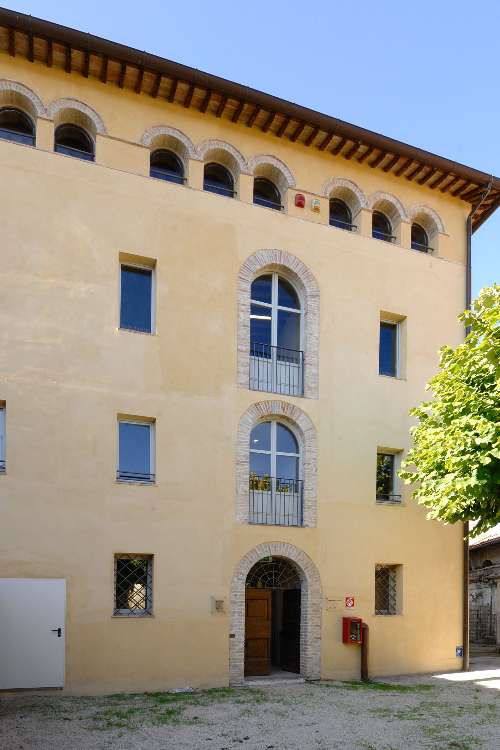
The Museo della Città e del Territorio has its premises on three floors of a building—expressly restored to host it—in Piazza IV Novembre, a square in the southern sector of the town of Cannara. The museum is dedicated to the history of the town of Cannara and its territory—the geographical area under its administration—and offers the opportunity to deepen the knowledge of its history from its origins up to the modern age. A visit to this museum is enriched by the numerous historical residences and churches of the city and by the archaeological excavations and the Antiquarium of Hurvinum Orthense located in the nearby locality of Collemancio. Of recent realization—2008—this exhibition mainly documents the continuity of life on the Pieve di Collemancio flat, which was the site of the important ancient Roman settlement—that sprang up around the 2nd century B.C.—of Hurvinum Ortense, up to its abandonment between the 6th and 9th centuries and the construction of the church of the Pieve di Santa Maria de Orbinum (that in Latin means Urbino). The museum hosts the polychrome mosaic, famous for its scenes from the Egyptian Nile River, which comes from the excavations of the Thermal Baths of this settlement and was detached for conservation purposes and kept, until recently, in the National Museum of Rome.