The portal of the Umbria Region that allows you to get information on the main places of culture in Umbria (museums, archaeological sites, libraries ...)
The Accademia delle Belle Arti Pietro Vannucci of Perugia sees the light—the second after Florence—as an Academy of Design, founded in 1573 by the painter Orazio Alfani and the architect and mathematician Raffaele Sozi.
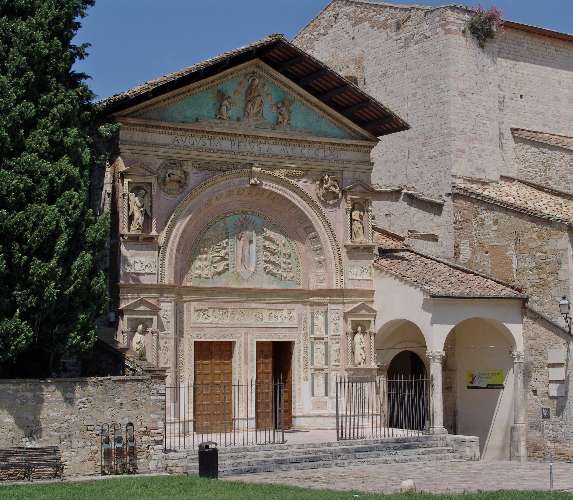
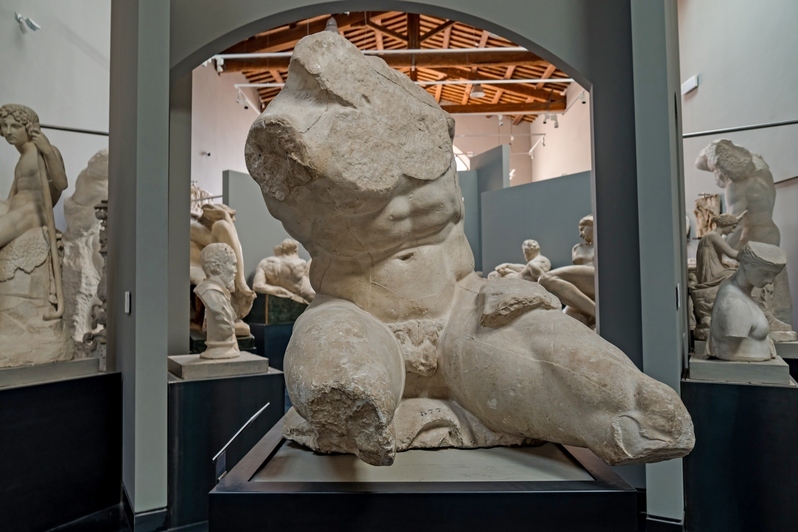
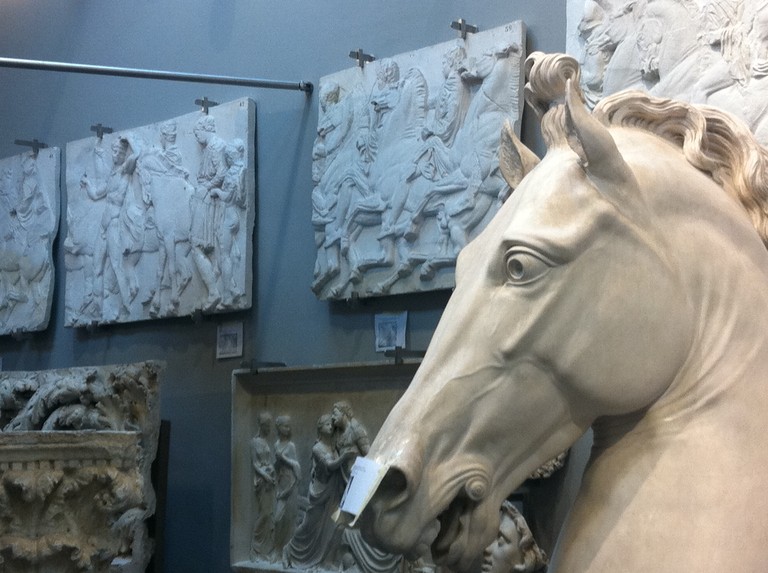
Since 1901, the Academy has been housed inside the ancient Convent of San Francesco al Prato, a prestigious place next to the Oratory of San Bernardino, the work of Agostino di Duccio. After 1974, it has also been the exhibition premises of prestigious collections of art, arranged in three sections: The Gipsoteca, i.e. a gallery collecting gypsum plaster copies of famous sculptures; The Art Gallery; and The Gabinetto, i.e. the department of prints and drawings.
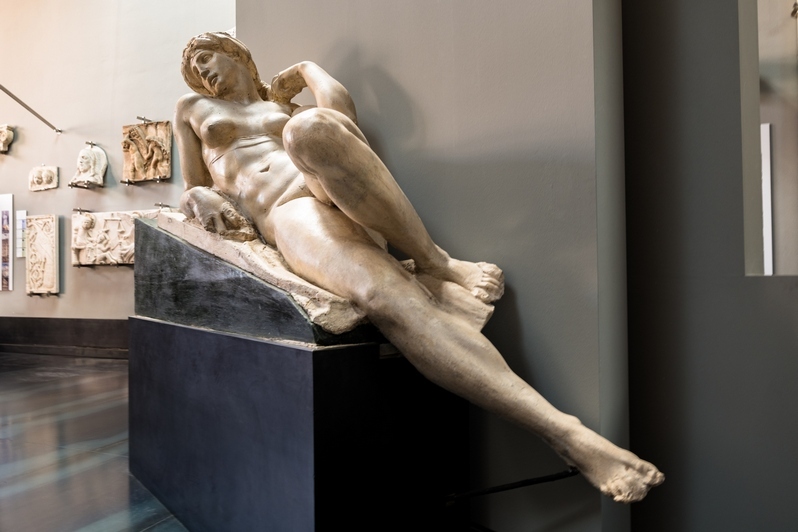
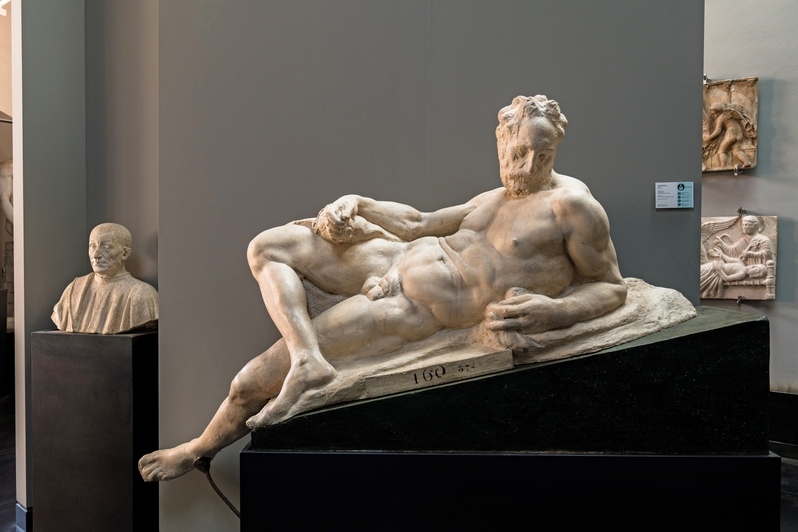
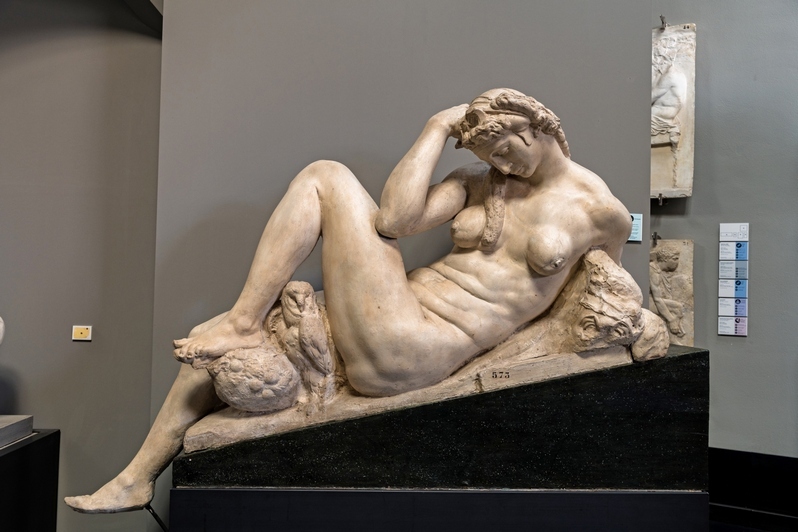
The first nucleus of the collections consists of the monumental gypsum plaster copies of The Dawn and Dusk, and The Day and Night, works of Michelangelo Buonarroti—held in the Medici Chapel in Florence, in the complex of the San Lorenzo Basilica—casted and donated in the 16th century by the Perugian Vincenzo Danti. In Napoleonic times, the works from the suppressed Religious Congregations became part of the first nucleus of the Art Collection Heritage of the Academy, which later on would become the National Gallery of Umbria. The Academy has been the guide and artistic engine of Umbrian creativity, by having increased its collections with donations from organizations and private individuals—especially from artists and academics--ever since the Unification of Italy.
After a period of closure due to the 1997 earthquake, the Museo dell’Accademia has been reopened in the same location, and rearranged following the most modern and rational criteria. It displays more than 200 works of its collection with the same subdivision: gypsum plaster copies of sculptures; paintings, drawings and prints, and it foresees rooms for temporary exhibitions.
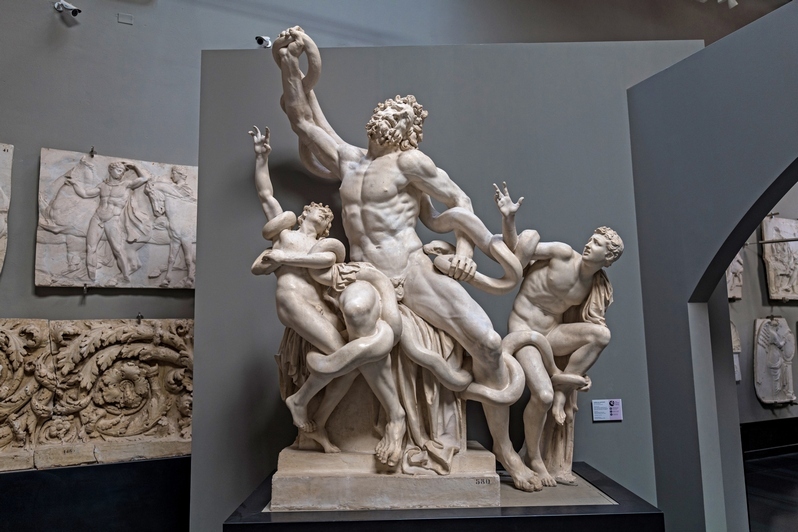
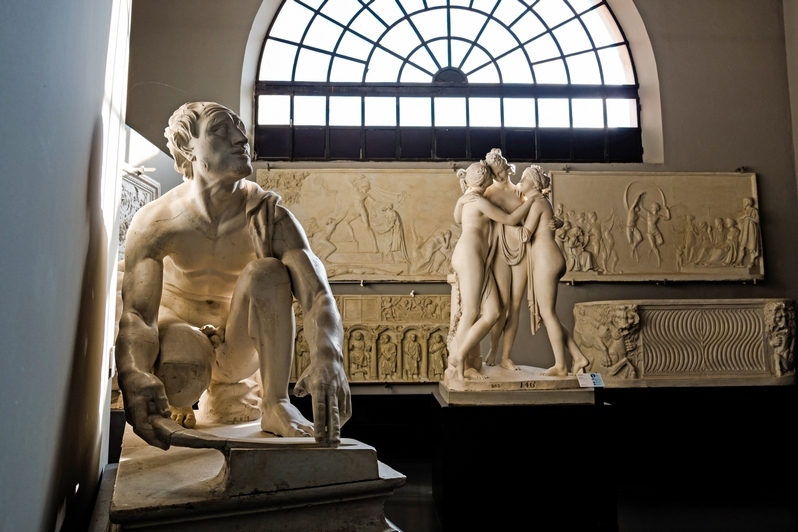
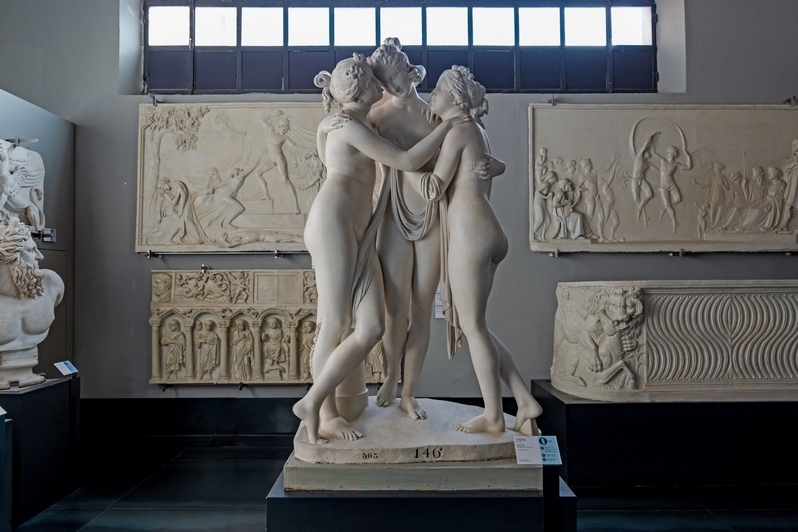
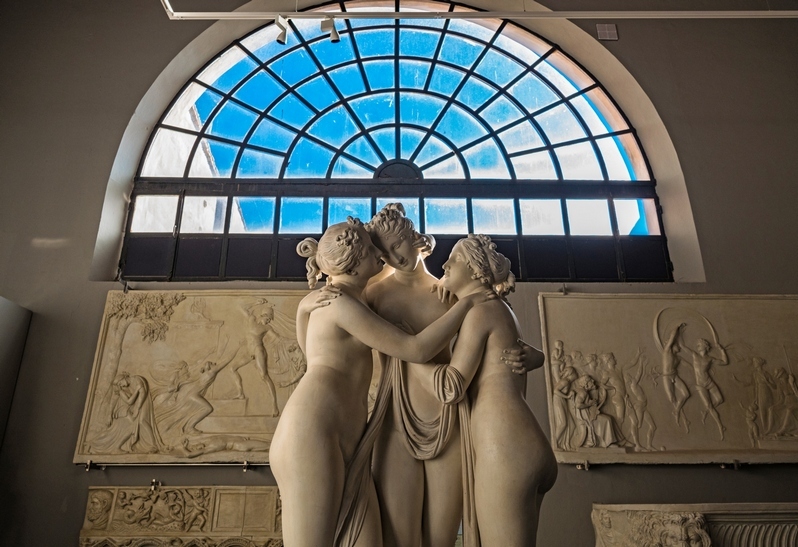
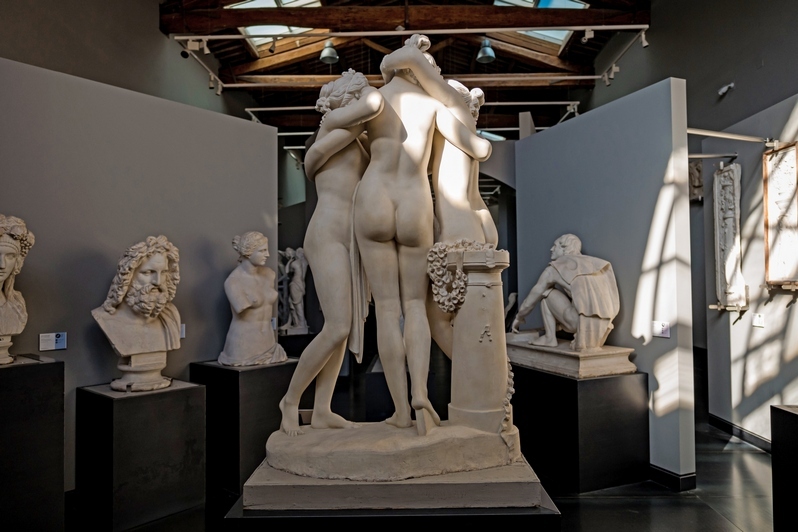
Among the gypsum plaster copies, remarkable for their craftsmanship and variety, the gigantic Farnese Hercules, the Three Graces of Antonio Canova, donated by the artist himself, the Laocoon and His Sons, the Shepherd Boy and his Dog of Bertel Thorvaldsen, the Boxer Damòsseno of Canova and Amore and Psyche stand out.
Among the paintings, Mariano Guardabassi’s Self-Portrait with Parrot and paintings of Annibale Brugnoli, Domenico Bruschi, Armando Spadini, Mario Mafai, Alberto Burri and Gerardo Dottori stand out.