The portal of the Umbria Region that allows you to get information on the main places of culture in Umbria (museums, archaeological sites, libraries ...)
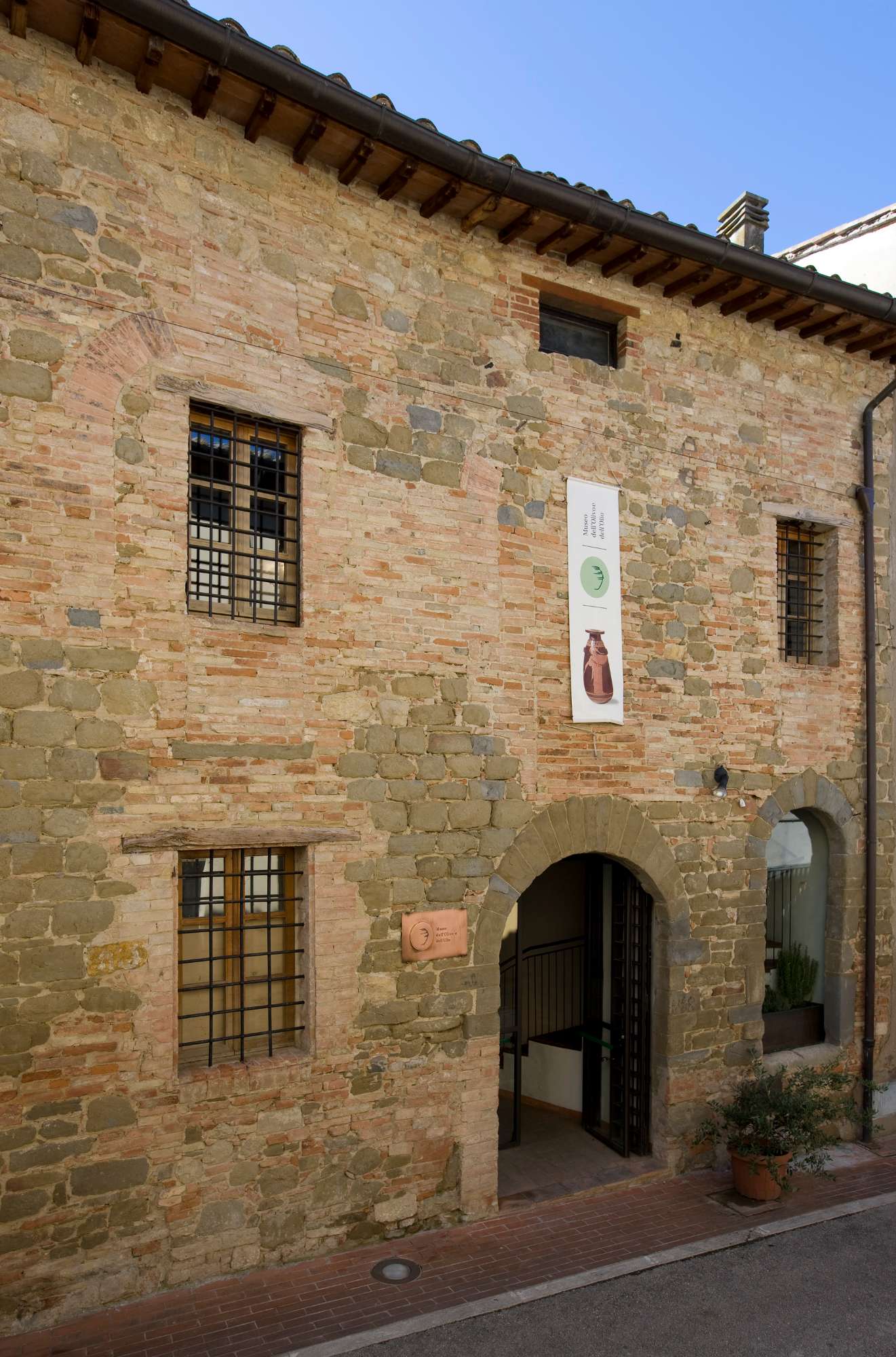
The Museo dell’Olivo e dell’Olio—MOO—is hosted inside the burgh of Torgiano; a renowned center of wine production between Perugia and Assisi.
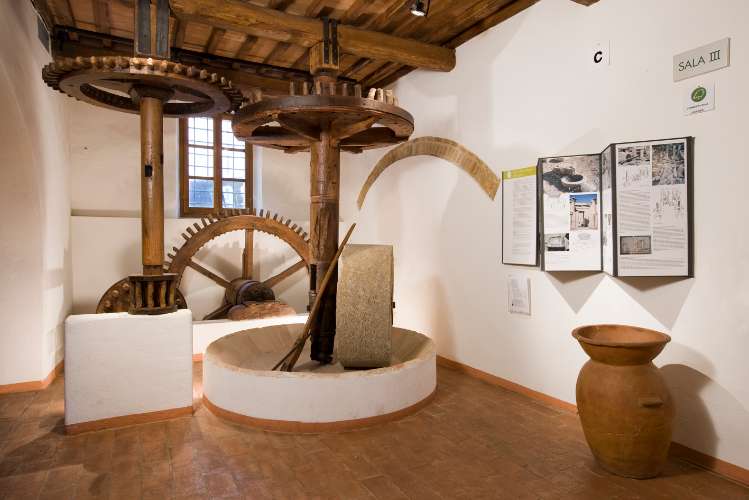
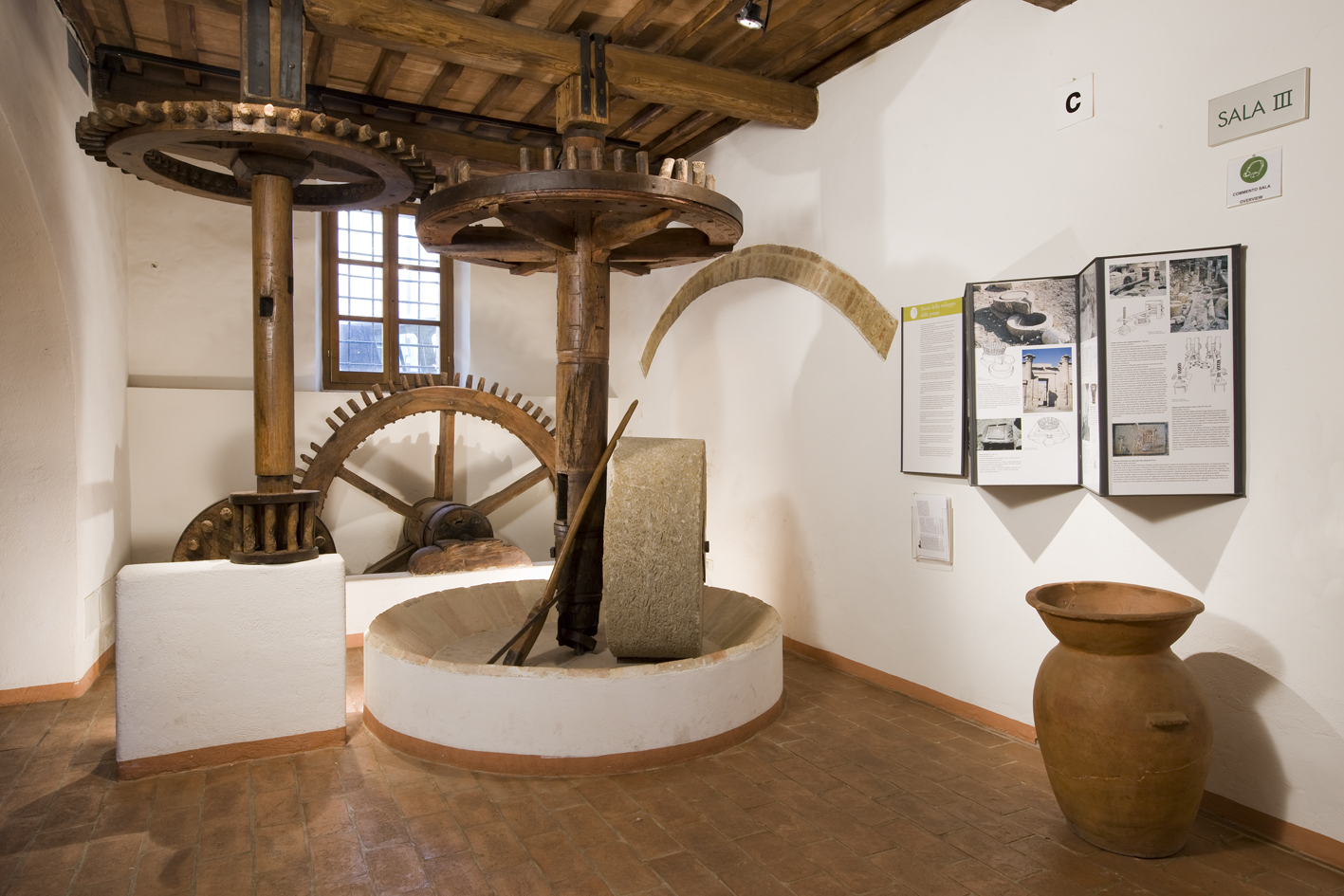
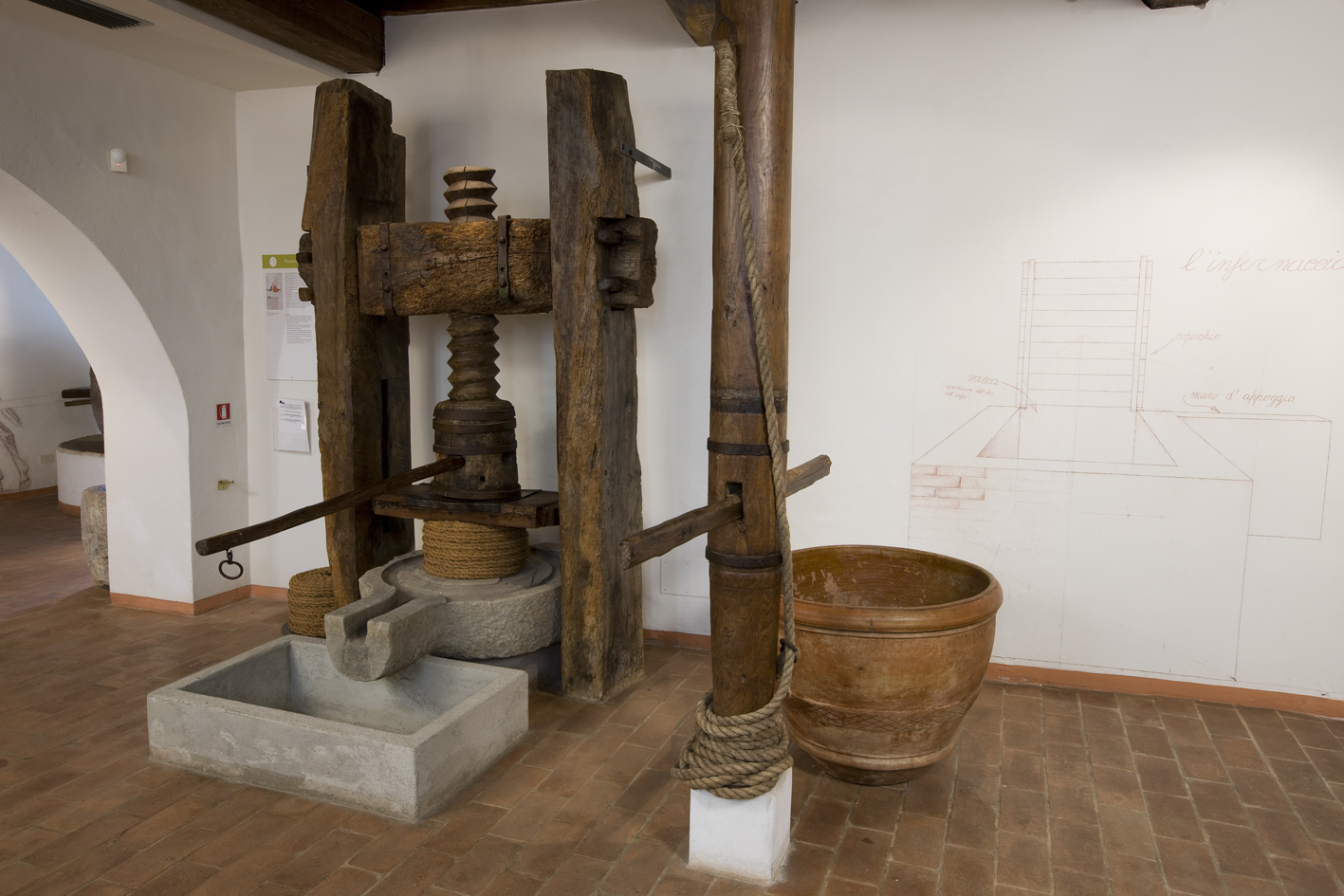
The exhibition display is held inside an old olive press, whose premises are the result of the fusion of three different houses that were used until the last century.
This edifice has been the seat of the Olive Tree and Olive Oil Museum since the year 2000, conceived of and realized by the initiative of Giorgio and Maria Grazia Lungarotti.
Supported by the family enterprise and managed by Lungarotti Foundation, the museum retraces the history and the different uses of the Olive tree and Olive oil, without any geographical or temporal limits.
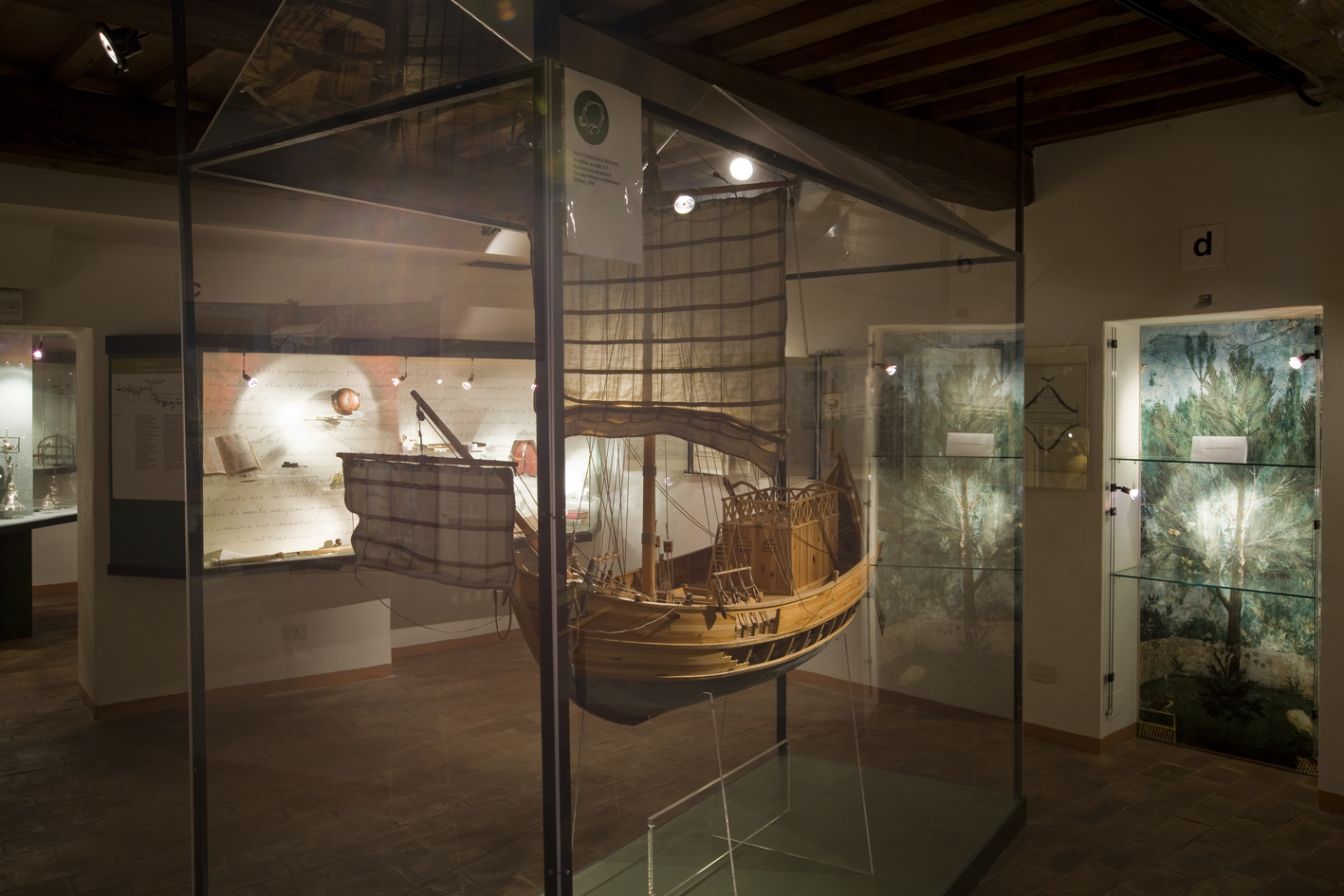
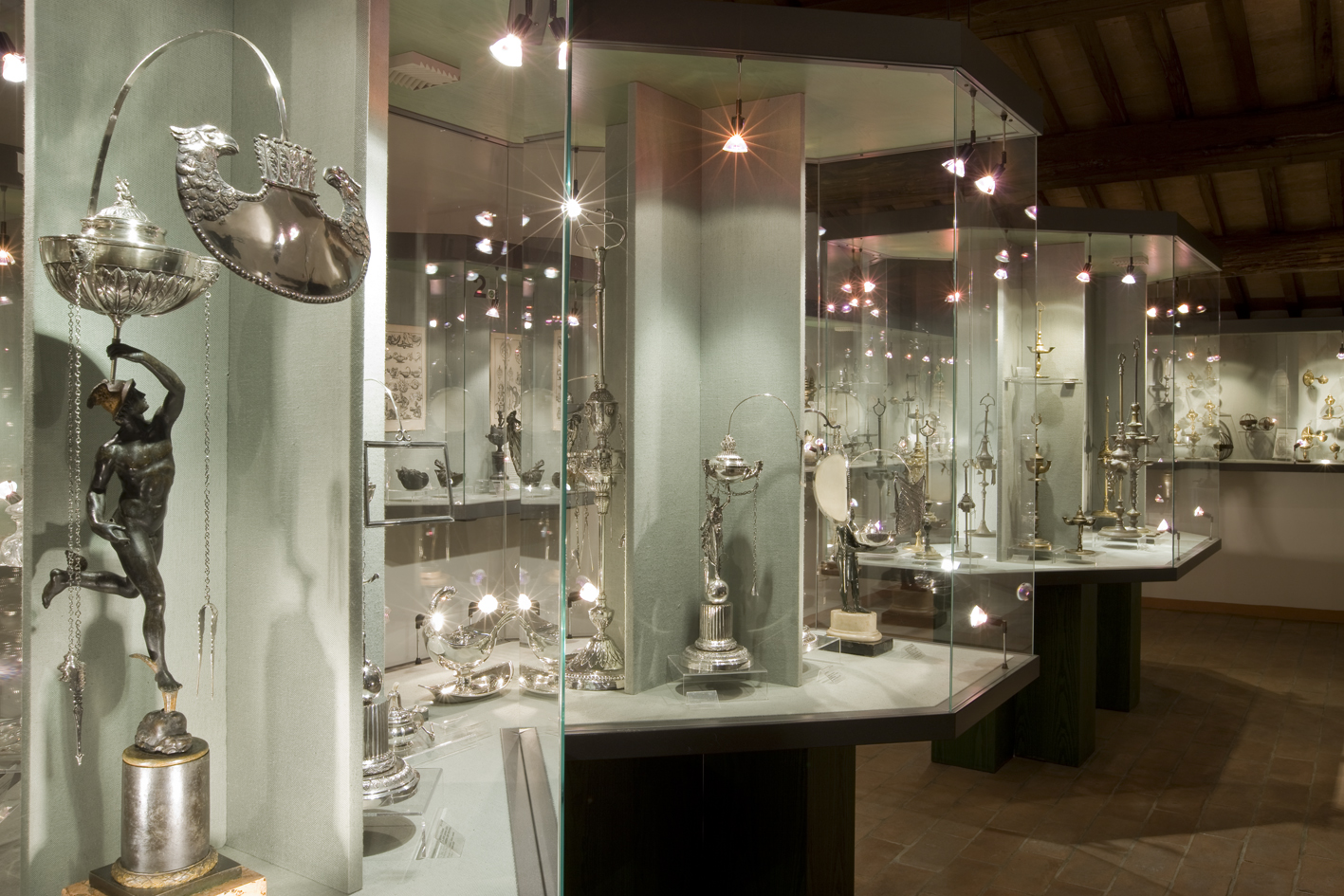
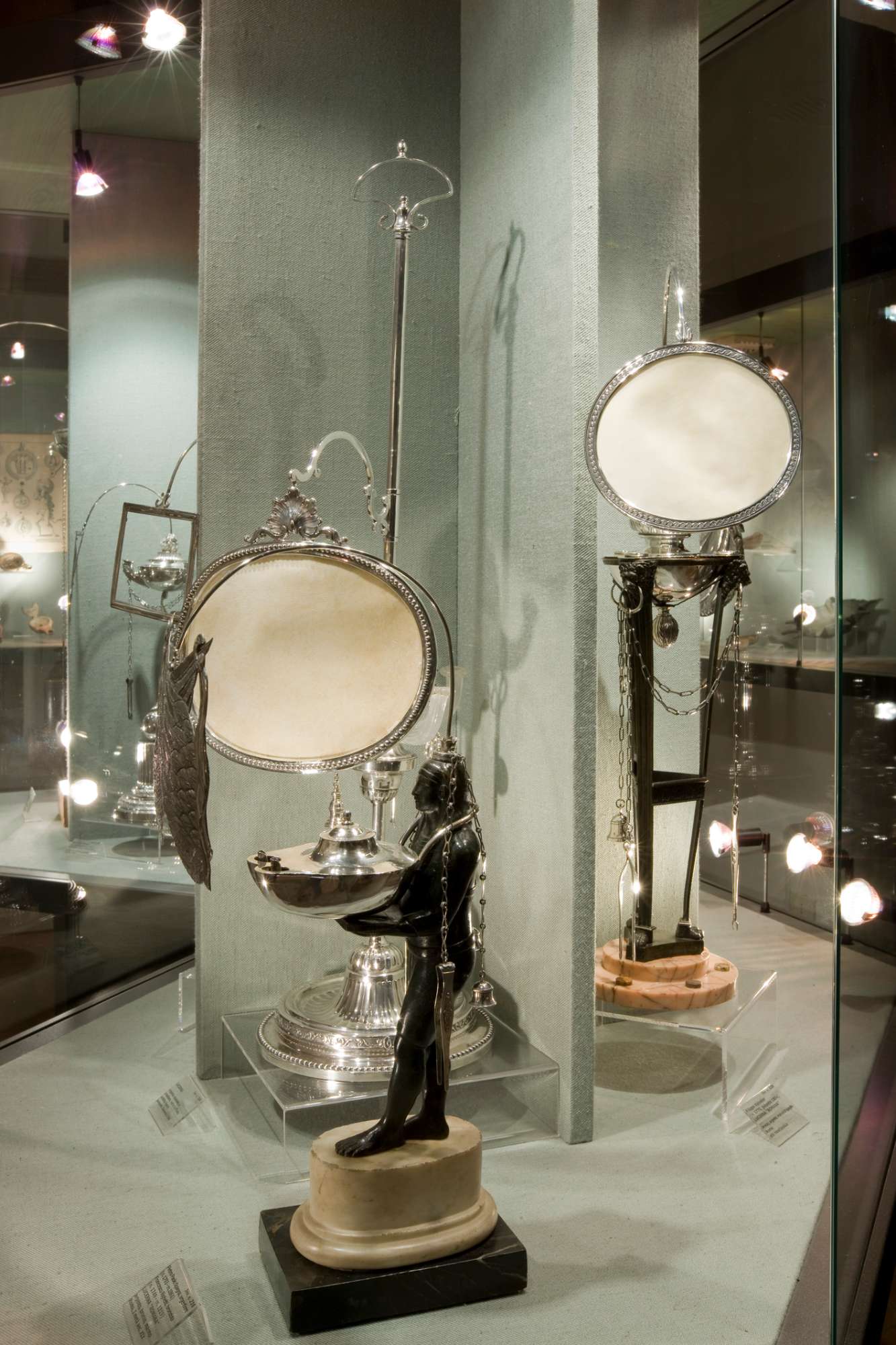
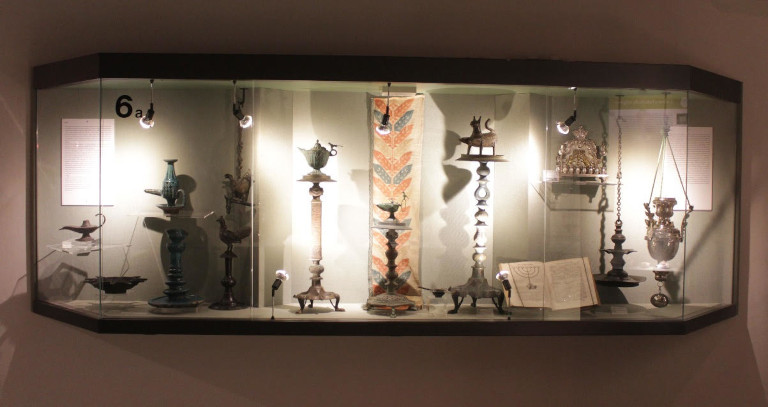
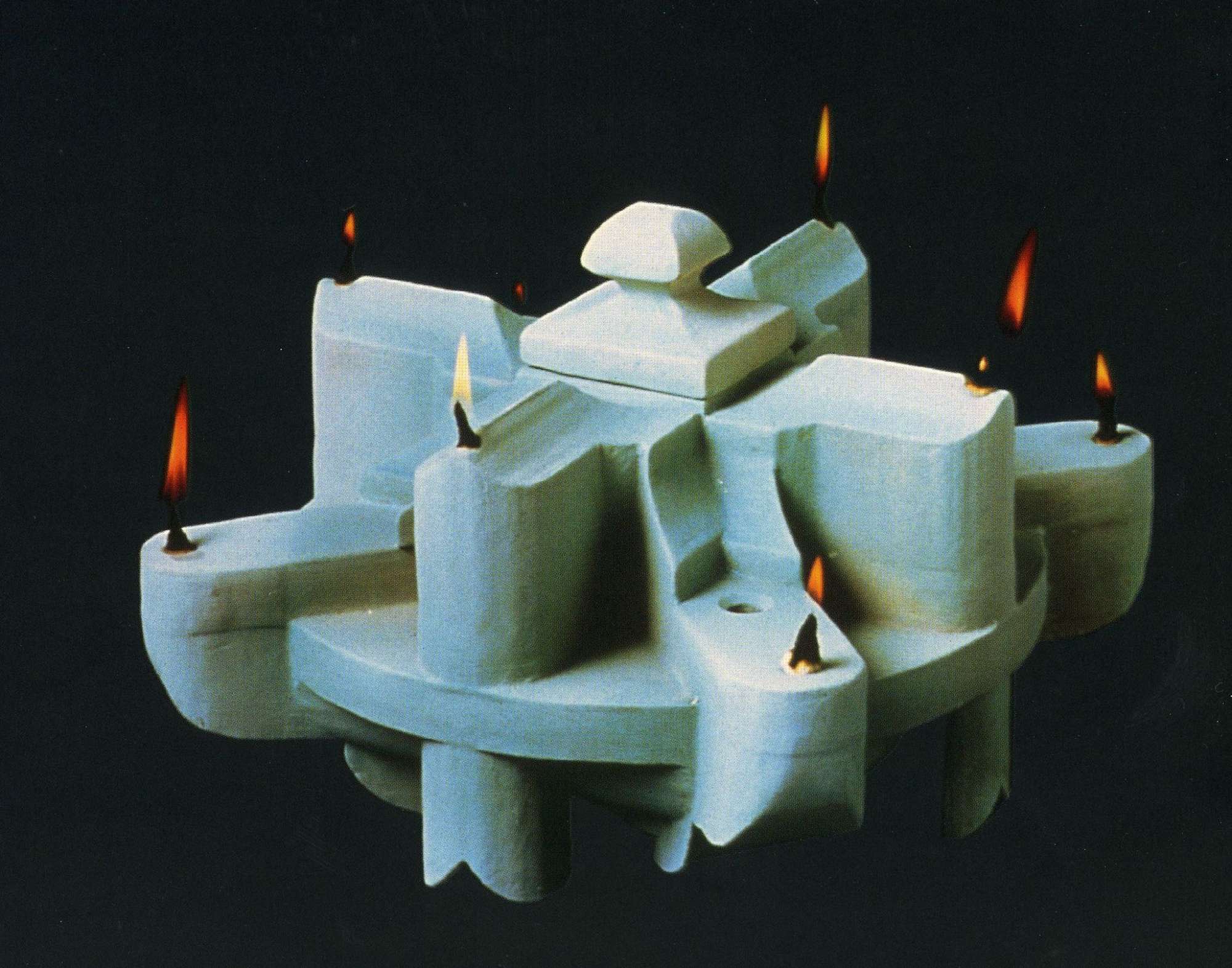
Archaeological finds, ceramics, books and other material describing the mythological origins of this plant, its production, diffusion and different uses are exhibited. Among them is the Attic alabastron—a particular vase for containing perfumed oils—decorated with a red pattern by the Painter of the Foundry, dated in the 5th century B.C. Ample space is dedicated to the collection of lamps, from the ancient pre-Roman ones to those of the 20th century. A section is dedicated in particular to: the Olive Tree and the Olive Oil Symbolism in graphic arts and handicraft; the display dedicated to Traditions and Folklore recalls ancient beliefs and popular superstitions.