The portal of the Umbria Region that allows you to get information on the main places of culture in Umbria (museums, archaeological sites, libraries ...)
The Parco Archeologico di Carsulae includes the ruins of the Roman Municipium— town in Latin—of Carsulae, which sprang up on the sides of the ancient road Via Flaminia, near the small town of San Gemini, a locality that has been well known for its mineral water springs since antiquity.
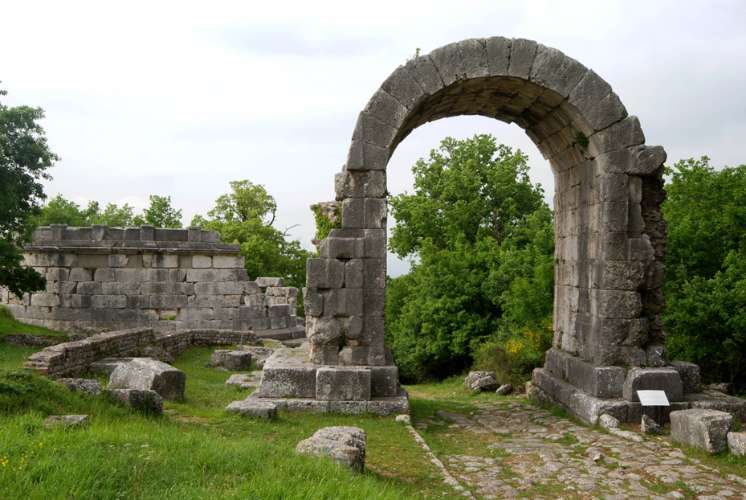
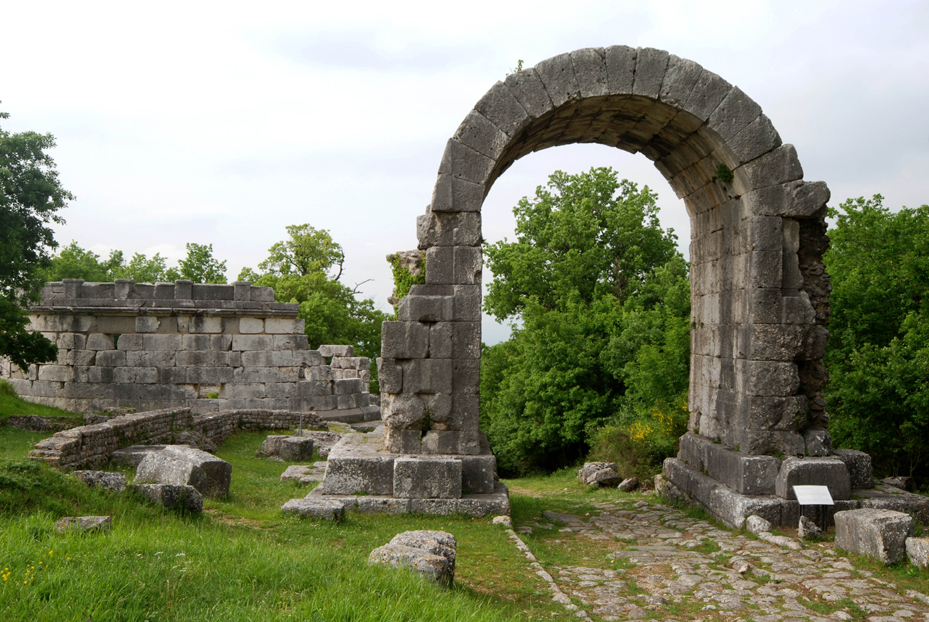
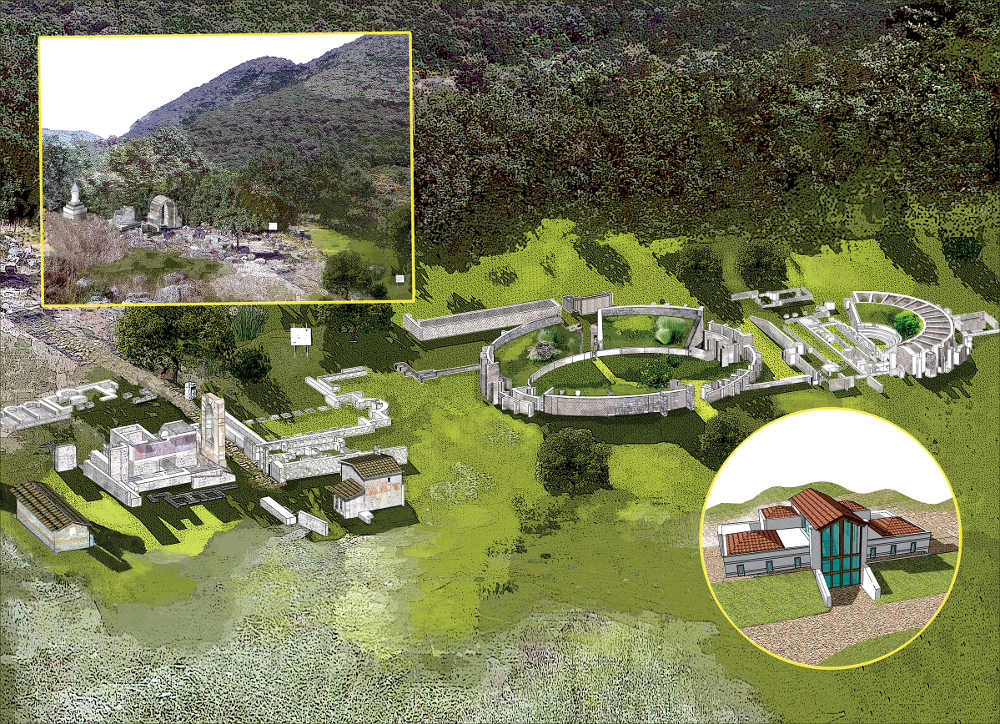
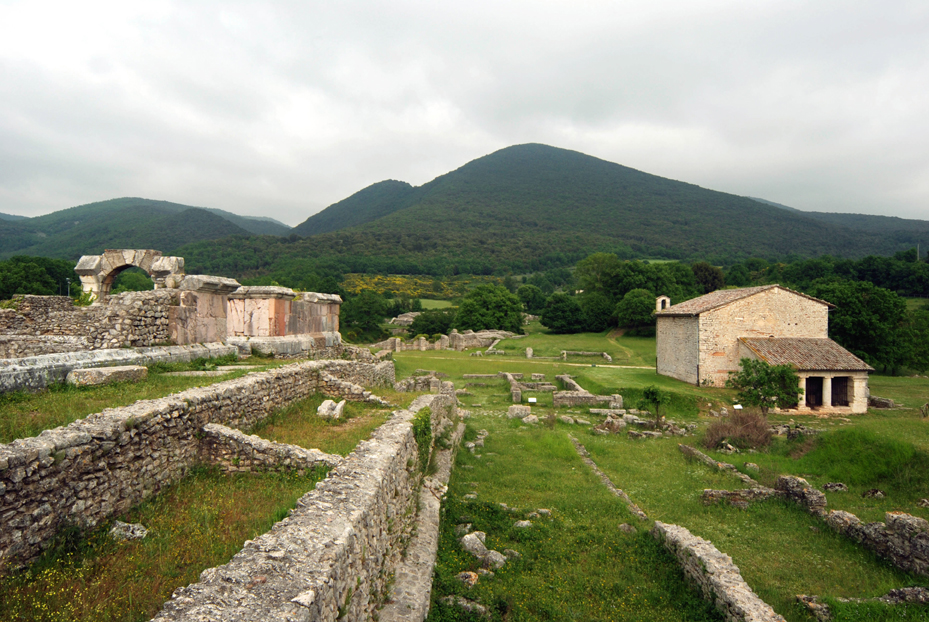
In this rich and active old center, designed during the Augustan ages, the remnants of the main public, civil and religious monuments are still visible: the Curia and the Gemini Temples—overlooking the Forum—the Basilica, the Theater and the Amphitheater. The latter is positioned along the Via Flaminia, which entered into the town through the monumental Arch of San Damiano. The Via Flaminia urban stretch constituted the “Cardo Maximus”—main axis, from north to south, in Latin. It was paved with large blocks of stone called basoli and had edge-stones on the sides functioning as sidewalks and gutters to drain water. Funerary monuments are still visible to the north of the Arch of San Damiano, while on the opposite side there are Thermal Bath facilities, where the work of excavation has not been completed yet. The water supply was provided through some Cisterns, one of them—after having had several different functions—has been transformed into a Antiquarium, and destined to house the display of the architectural fragments and frescoed detached plaster and architectural terracotta, as well as a series of sculptures for a funerary destination. The medieval Church of Santi Cosma e Damiano, built on a pre-existing Roman edifice along the Via Flaminia, testifies to the spreading of Christianity. This construction has been used as a depot of archaeological materials for a long time, and in recent times has been recovered and transformed into a display structure.